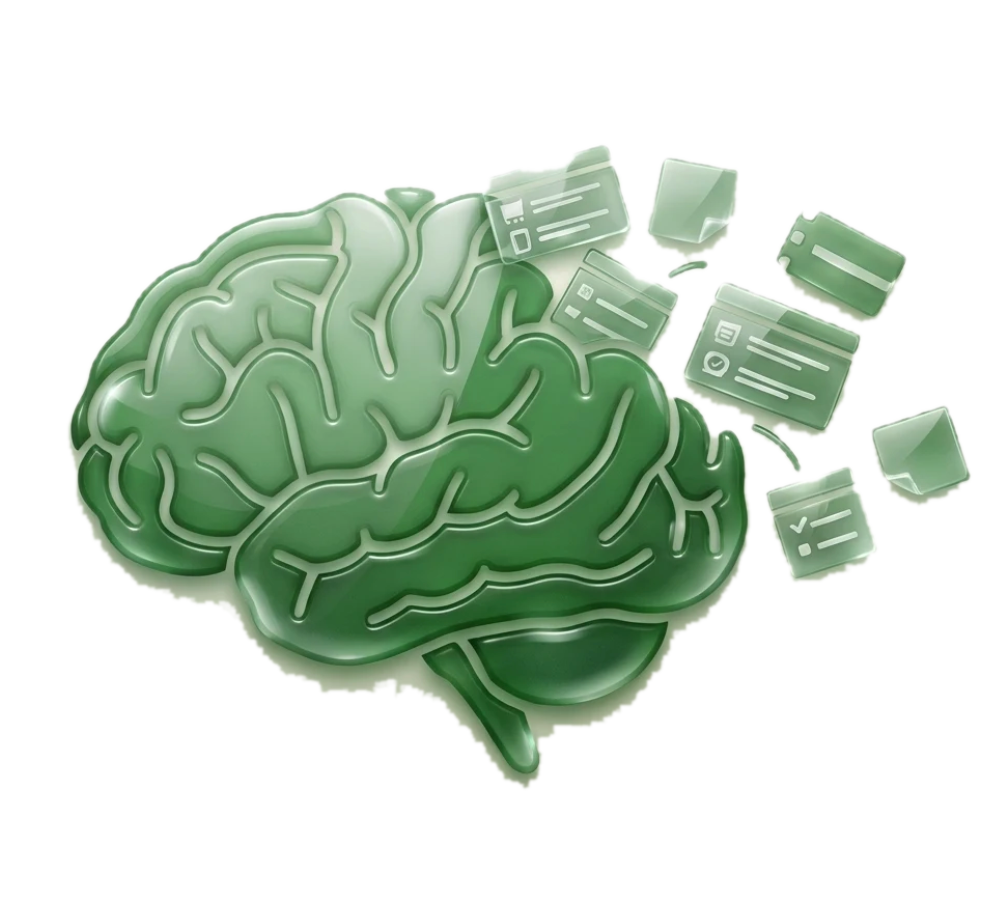

You are not forgetting things because you are careless. You are forgetting things because your brain is full. Not full of ideas or ambitions. Full of invisible tasks. The grocery list. The upcoming dentist appointment. The fact that the dog needs flea medication. The school form that needs signing. The friend you keep meaning to text back.
None of these are hard. But together, they create a constant hum of low-grade cognitive effort that makes everything else feel harder than it should be. Researchers call it cognitive overload. The internet calls it the mental load. Either way, your brain was not designed for this.
What the mental load actually is
The term "mental load" was popularized by French cartoonist Emma in 2017, but the science behind it goes back decades. Cognitive Load Theory, developed by educational psychologist John Sweller in 1988, describes how working memory has a fixed capacity. When that capacity is exceeded, performance degrades across the board.
Your working memory can hold roughly four items at once. Not forty. Four. Every invisible responsibility you carry, whether it is remembering to buy paper towels or tracking which bills are due this week, takes up a slot. When those slots are full, your ability to think clearly, make decisions, and focus on meaningful work collapses.
The mental load is not stress, although it causes stress. It is the cognitive cost of tracking, remembering, planning, and anticipating all the things that keep a life running. Most of it is invisible to everyone except the person carrying it. And a surprising amount of it is not even actionable. It is worry, guilt, or emotional weight that your brain has quietly filed under "task" because it did not know where else to put it.
Some of that weight is not yours to carry
Before you try to organize the mental load, try releasing the parts of it that were never real tasks in the first place. The Let Go feature helps you name what is weighing you down and set it down on purpose.
Why it hits some people harder than others
Research from the Pew Research Center and the American Sociological Review consistently shows that the mental load falls disproportionately on women in households, even in dual-income partnerships. But it is not only a gender issue. It hits anyone who serves as the "default planner" in a relationship, family, or team.
Managers carry it at work. Parents carry it at home. Caregivers carry it for people who cannot carry it themselves. If you are the person who knows when the car registration expires, when the kids need new shoes, and which colleague is going through a tough time and needs a check-in, you are carrying the mental load.
The problem is not that these tasks are difficult. The problem is that they are continuous and largely unacknowledged. There is no "done" state. The moment you handle one thing, three more take its place. A 2019 study of mothers published in Sex Roles found that carrying more of this invisible labor was linked to lower well-being and less satisfaction with their partners.
The real cost of keeping it all in your head
When you carry the mental load internally, you pay a tax on everything you do. When your mind is overloaded, you do not make worse decisions because you are less capable. You make worse decisions because your brain is already overcommitted.
This explains why you can feel exhausted at the end of a day where you did not do anything "hard." The invisible tracking is the hard part. Your brain spent the whole day holding open dozens of loops, cycling back to each one to make sure nothing slipped. That is real work, even if nobody can see it.
It also explains why anxiety and overwhelm so often accompany the mental load. Your brain treats every open loop as a potential threat. The more loops, the higher the baseline anxiety. Not because anything is wrong. Because your cognitive system is maxed out.
Your brain was not designed to be a task manager
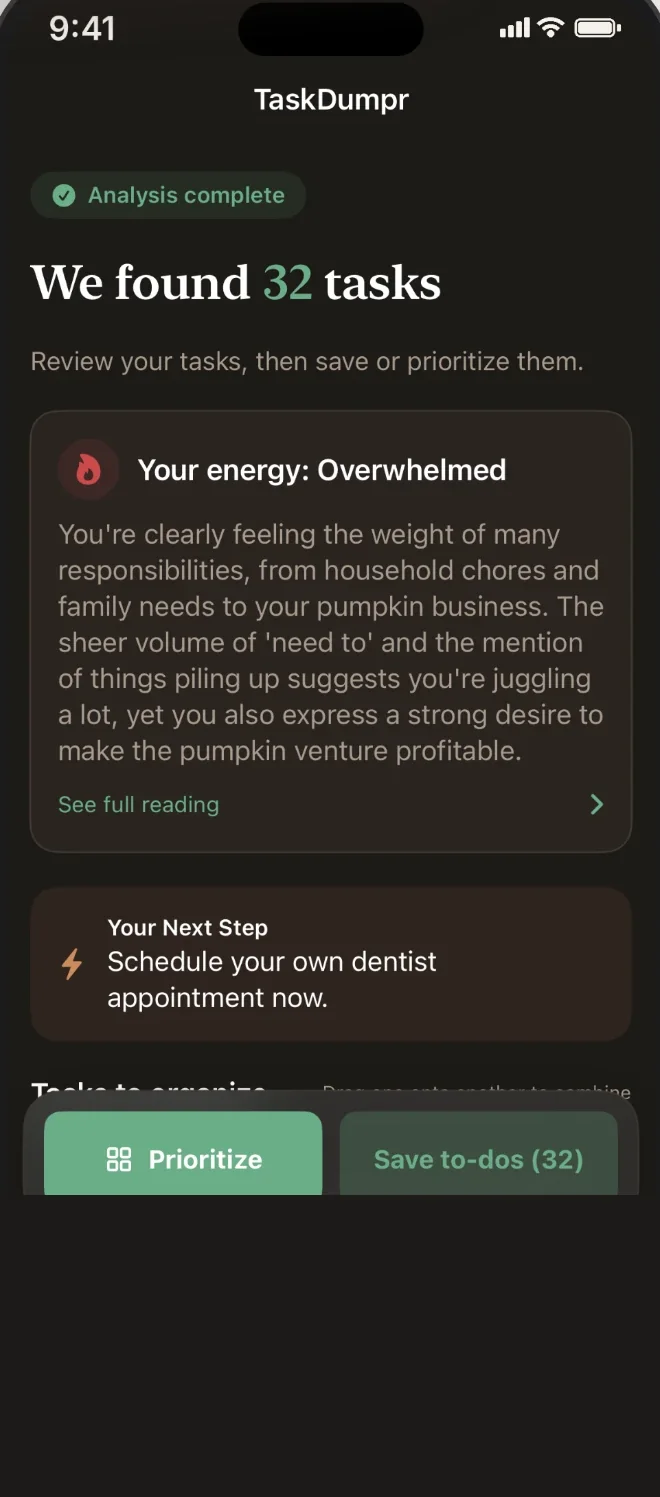
Get everything out of your head in under 10 minutes. See how much lighter you feel when the invisible becomes visible.
Start your brain dumpMaking the invisible visible
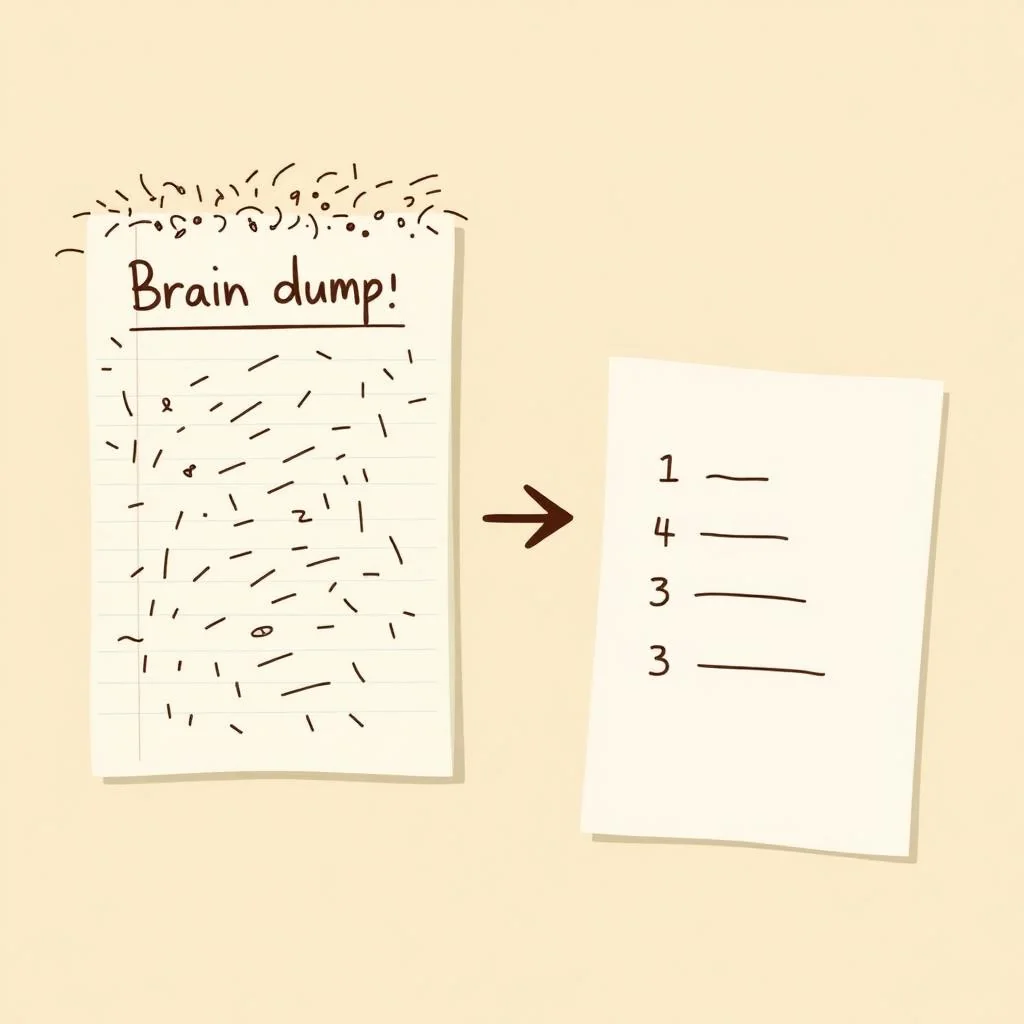
The first step to reducing the mental load is not doing more. It is seeing what you are already carrying. Most people significantly underestimate how many things they are tracking. It is only when they write it all down that the full picture emerges.
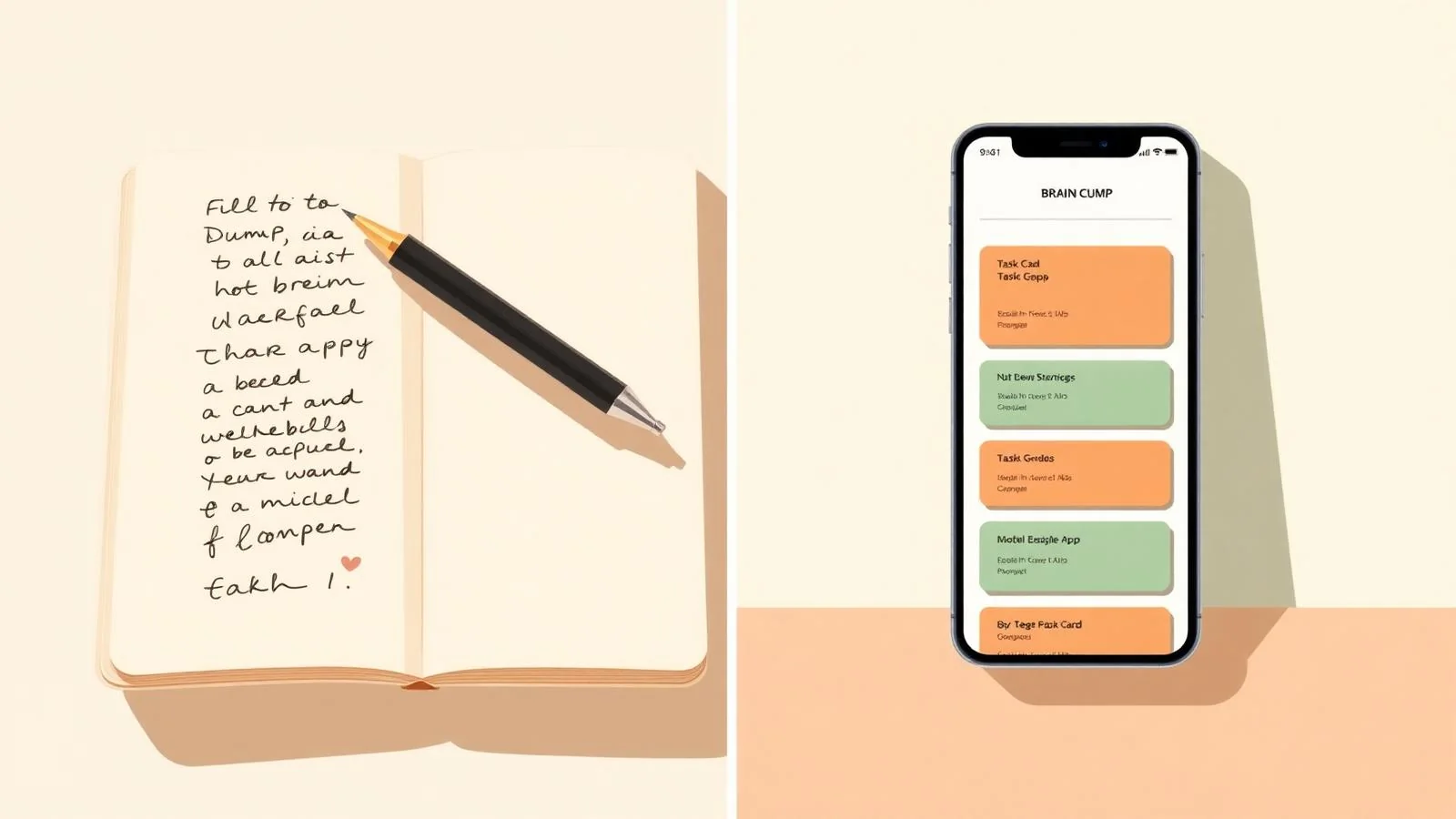
This is why brain dumping is such a powerful first step. It is not planning. It is not organizing. It is pure extraction. You take everything circling in your head and put it somewhere you can see it. The relief is immediate because your brain no longer needs to hold it all.
Research on the Zeigarnik effect confirms this: your brain keeps unfinished tasks in active memory, cycling back to them involuntarily. Writing them down signals closure. The loop can close because the information is stored externally. Your working memory frees up, and with it, your ability to think clearly returns.
From visible to manageable
Once everything is externalized, patterns emerge. You will likely notice three things:
- Some tasks are not yours. They belong to someone else but ended up in your head because nobody else picked them up. These can be delegated or released entirely.
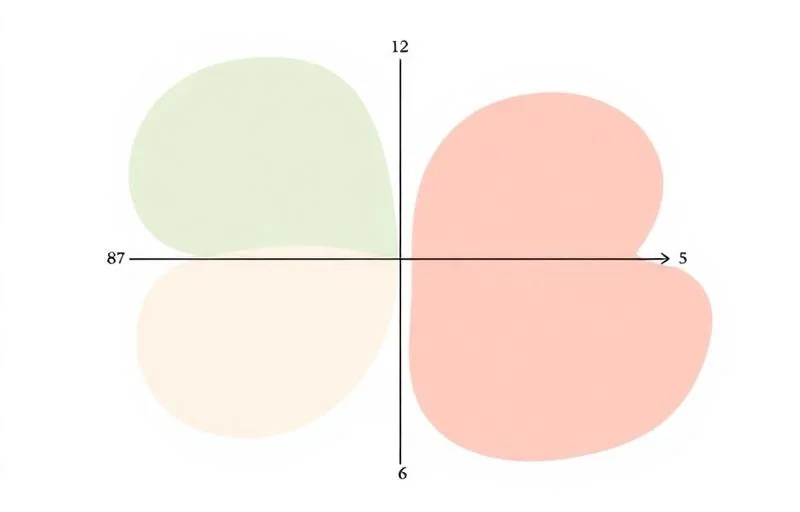
- Some tasks do not matter. They felt important while circling in your head, but on paper, they are clearly low priority. The Eisenhower Matrix is designed exactly for this: separating what is truly urgent and important from what just feels that way.
- Some things are not tasks at all. They are worries, regrets, or emotional weight disguised as to-do items. These need a different kind of attention. Not action, but letting go.
This sorting process is where the mental load starts to shrink. Not because you did everything on the list, but because you realized most of it does not belong there.
Sharing the load
If you live or work with other people, making the mental load visible is also the fastest path to sharing it. You cannot delegate what nobody can see. When the full list is written down, it becomes concrete. It can be discussed, divided, and distributed.
The key is sharing ownership, not just tasks. There is a difference between "can you pick up milk?" and "you are in charge of groceries this week." The first still requires you to remember, plan, and delegate. The second removes the cognitive load entirely.
A brain dump gives you the evidence you need for that conversation. Instead of saying "I am overwhelmed," you can show a list of fifty invisible things you have been tracking. That changes the conversation from feelings to facts.
A weekly mental load reset
The mental load does not stay solved. It refills. New responsibilities appear, old ones return, and before you know it, your brain is full again. The most effective approach is a regular reset.
Once a week, do a full brain dump. Get everything out. Sort it using the Eisenhower Matrix. Delegate what you can. Eliminate what does not matter. Release what is not actionable. Start the next week with a clear head instead of a cluttered one.
This is not productivity advice. It is cognitive maintenance. Your brain needs regular clearing the same way your inbox does. The difference is that nobody has built an "unread count" for your thoughts. So you have to check manually.
If the mental load has been building for a while and you feel the signs of burnout, you might need more than a weekly dump. Start with a deep reset, then build the weekly habit from there.
Your brain is not failing. It is overloaded.
The mental load is not a personal failure. It is a design problem. Human brains were built for environments with far fewer inputs, decisions, and responsibilities than modern life demands. You are running 21st-century software on hardware that evolved for a much simpler world.
The fix is not willpower. It is not a better calendar app. It is getting the invisible out of your head and into a system that can hold it for you. Once you can see everything you are carrying, you can start putting things down.
You do not need to carry less. You need to carry it somewhere other than your head. And for the parts that were never really tasks, you can let them go instead.
Try TaskDumpr free
Empty your head in one go and let TaskDumpr split it into sorted, prioritized tasks. No card needed.
Start a free brain dump