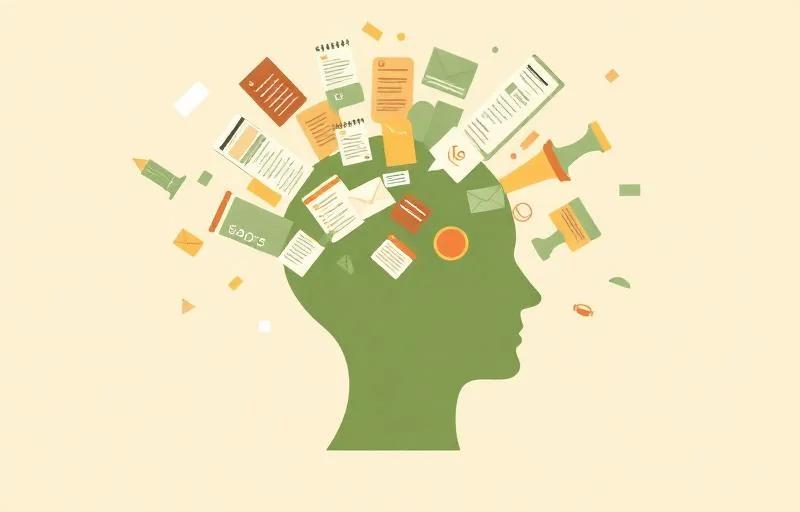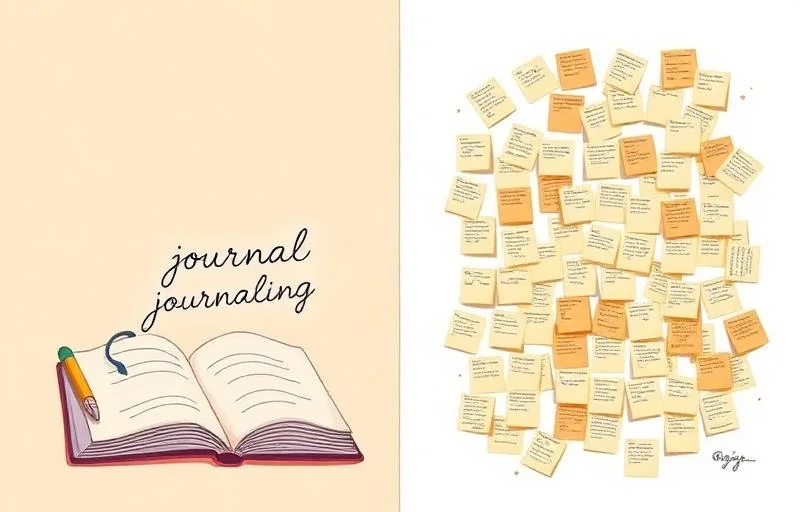
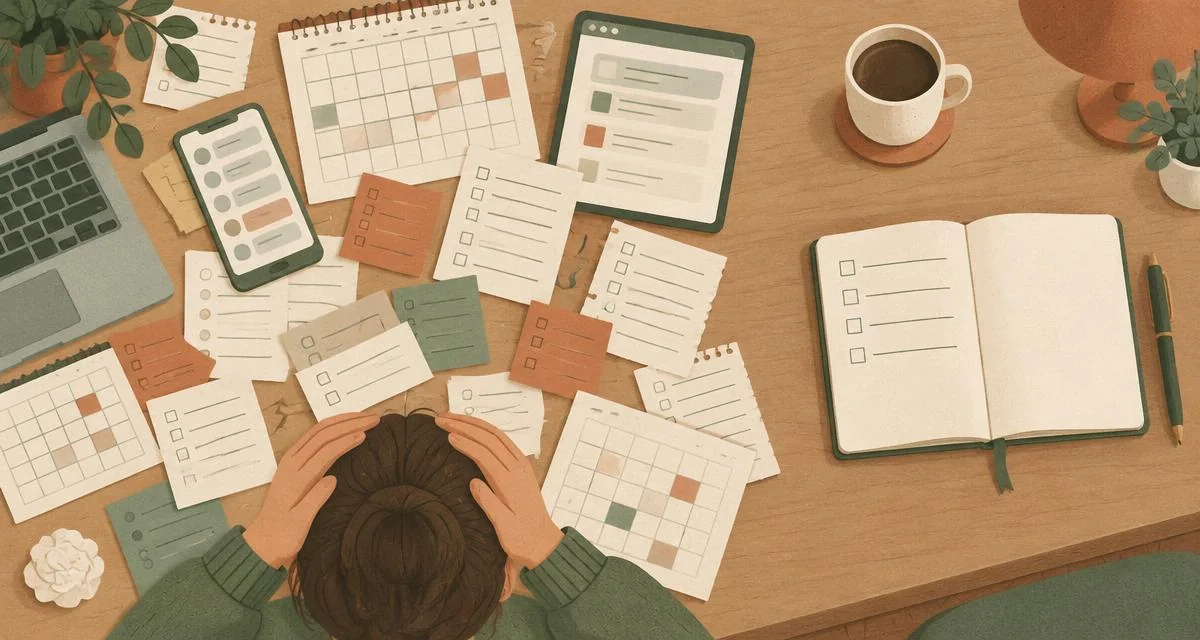
Quick inventory. There is a task in Todoist. A half-written note in Notion. A "remind me about this" in Slack. The dentist appointment lives in your personal Google Calendar, and the client call lives in your work Outlook, and you are honestly not sure which calendar has the school thing. Somewhere there is an Apple Note titled "MOVE TO NOTION" that you wrote in March.
None of these apps is bad. That is the trap. Each one was a reasonable answer to a real problem, and you adopted each one in a moment of genuine optimism. But stack twelve reasonable answers on top of each other and you get something unreasonable: a second job. You are no longer managing your work. You are managing your management systems.
That feeling has a name, productivity app fatigue, and it is not a personal failing. It is the predictable result of asking a human brain to run a distributed database. Let us look at what having too many productivity apps actually costs you, because the costs are specific, measurable, and worse than you think.
Cost one: every extra container is a decision at capture time
A thought arrives: "I should follow up with Sam about the proposal." In a one-tool life, you capture it and move on. In a twelve-tool life, a committee convenes. Is this a task or a note? Todoist or Notion? Is it work Sam or gym Sam, so work system or personal system? Should it just be a calendar block? Or do I flag the Slack thread?
That deliberation takes maybe four seconds. It feels like nothing. But it happens at the exact moment your brain is most vulnerable: mid-thought, mid-meeting, mid-shower. Four seconds of filing logic is often enough for the thought to slip away entirely, or for you to default to the worst container of all, "I'll remember it," which is how the follow-up with Sam dies.
Worse, the deciding itself drains you. Every small filing choice asks for attention you could otherwise give to actual work. Twelve apps means you pay a routing tax on every single thought you have. The tax is tiny. You have thousands of thoughts. Do the math.
Cost two: attention residue, the switching cost you cannot feel
Here is the research that should be printed on the box of every productivity app. Sophie Leroy, a business school professor now at the University of Washington Bothell, published a paper in 2009 with a title that says everything: "Why is it so hard to do my work?" Her studies found that when you switch from Task A to Task B, part of your attention stays stuck on Task A. She called it attention residue, and her experiments found that switching away from unfinished work could hurt performance on the next task.
Now count your switches. Check Todoist, jump to Notion to find the meeting notes, back to Slack because that is where the reminder fired, over to the calendar to confirm the time, back to Todoist to check the thing off. Five app switches to execute one task. Not every app switch creates attention residue, but moving between unfinished pieces of work can. By mid-afternoon you may be tired not just from working, but from arriving at each app slightly smeared with the last one.
This is why the twelve-tool setup makes you worse at your job in a way no feature update can fix. The problem is not inside any of the apps. The problem is the seams between them, and more apps means more seams.
Cost three: sync anxiety, or, which app has the truth?
The deepest cost is the quietest one. A task system only calms you if you trust it. Research by Roy Baumeister and E.J. Masicampo in 2011 found that making specific plans for unfinished goals reduced intrusive thoughts about them. The experiments support making concrete plans, not just scattering reminders across apps. And the Zeigarnik effect offers a useful way to think about what happens otherwise: unfinished business that is not credibly parked keeps knocking.
With twelve tools, no single one holds the whole truth, and your brain knows it. So it does the only rational thing: it keeps its own shadow copy of everything, running background checks all day. Did that reminder make it into the task app? Is the deadline in the calendar the real one, or the one from before the reschedule? What is in that Notion doc I have not opened in three weeks? This is sync anxiety, and it means your tools have stopped reducing your mental load and started multiplying it. You bought twelve apps to quiet your mind and accidentally gave it twelve new things to monitor.
The fix is subtraction, not a thirteenth app
When tool fatigue sets in, the industry's answer is always another tool, something to unify, integrate, sync, and dashboard the others. Resist this. You cannot fix a too-many-containers problem by adding a container. The fix is boring and it is subtraction, down to three homes:
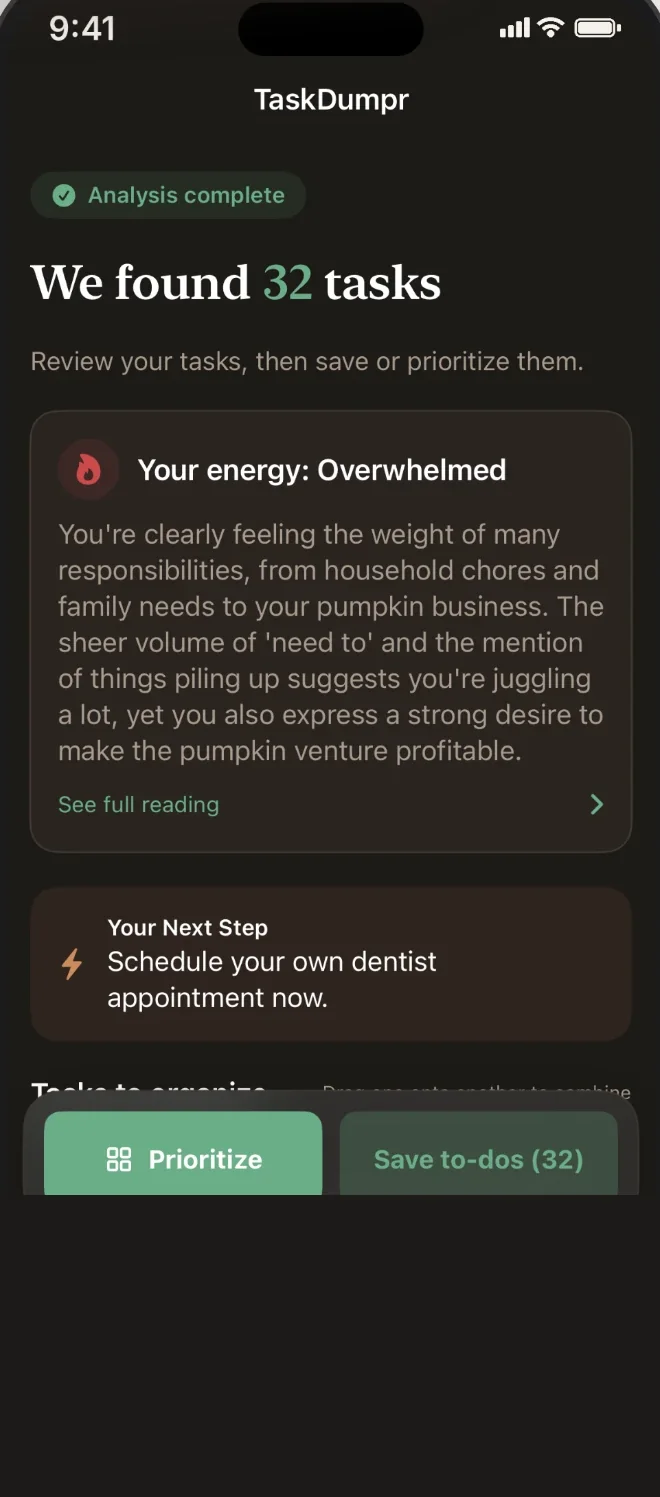
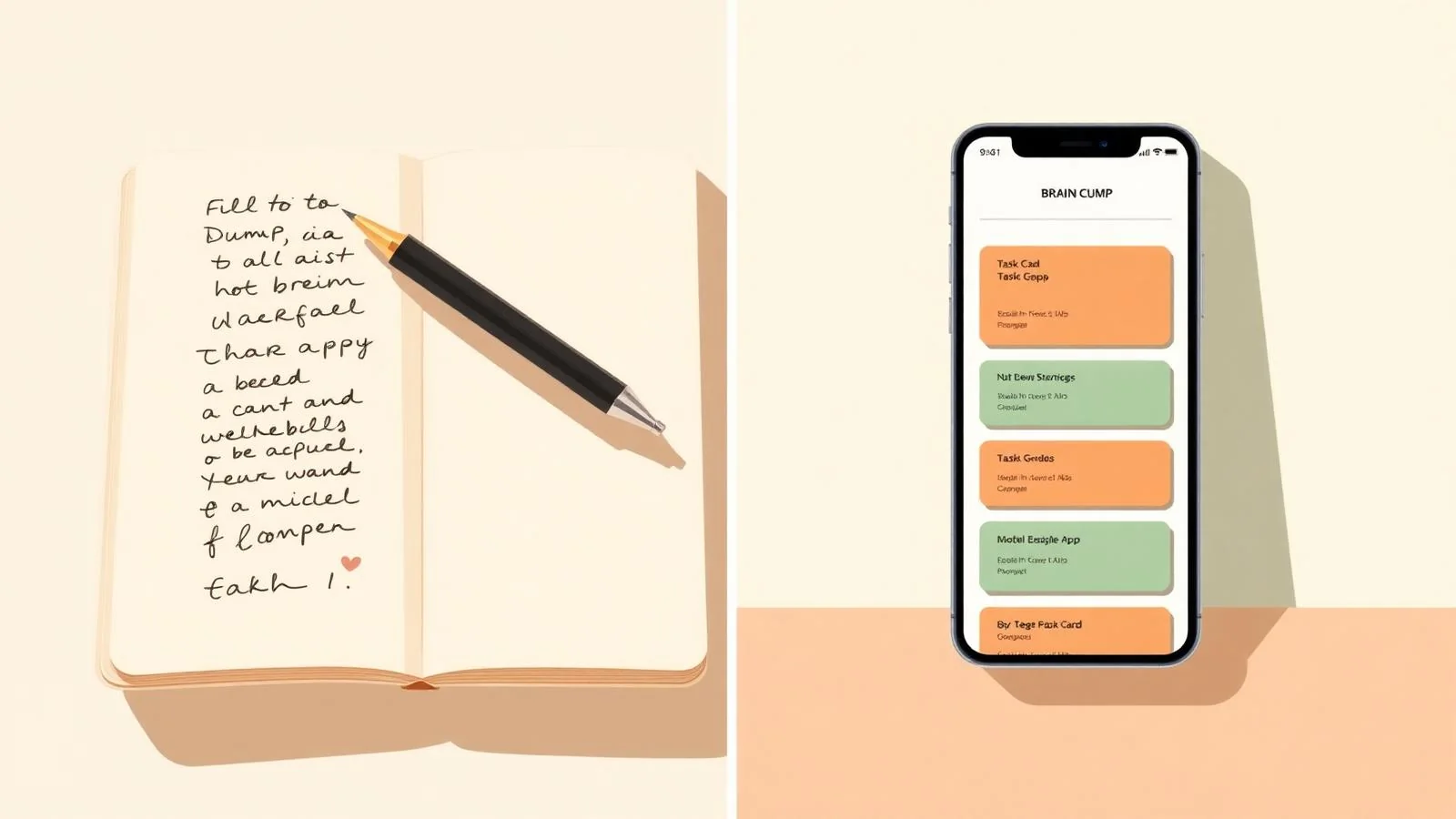
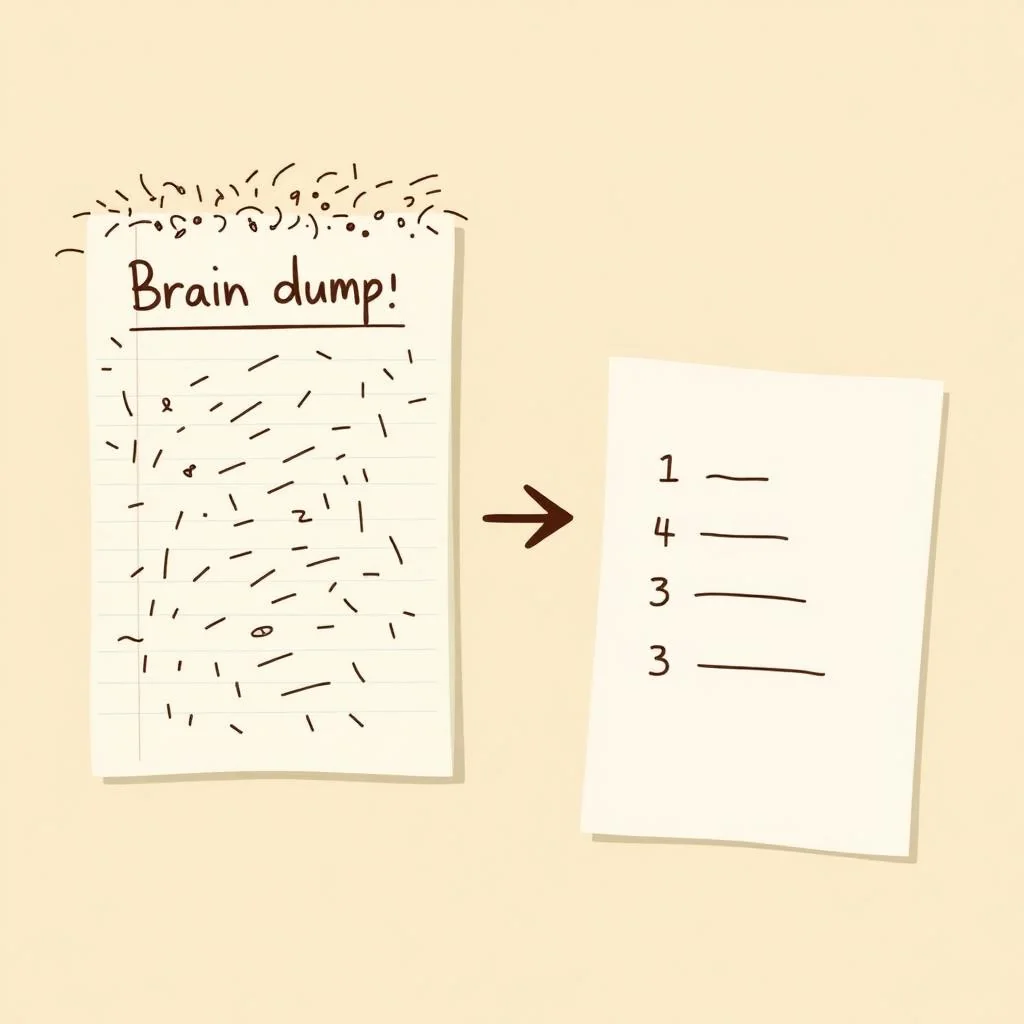
One capture point. A single place where every stray thought lands, no filing decision required at the moment of capture. Sorting can happen later. Capturing cannot. This is the job TaskDumpr was built for, and we will get to the awkwardness of saying so in a moment.
One calendar. Anything with a date and a time lives here and nowhere else. If you must keep work and personal accounts, overlay them in one view so your eyes only ever check one place.
One reference home. Notes, documents, plans: pick a single shelf. It matters far less which one you pick than that you pick exactly one.
Then audit ruthlessly. List every productivity tool you touched this month. For each, ask one question: if this disappeared tonight, what would break tomorrow? "Nothing" or a long pause means it goes. Migrate anything alive, export the rest to an archive, and delete your account so the tool cannot quietly reenlist you with a re-engagement email. You may land at three or four tools and find that very little is missing. If a big task app like Todoist is on your chopping block and you want to think that through properly, we have written about what to consider in a Todoist alternative.
Yes, we see the irony
This is the part where a blog post run by an app company tells you the answer to app fatigue is our app. We are aware of how that looks, so let us be direct about it.
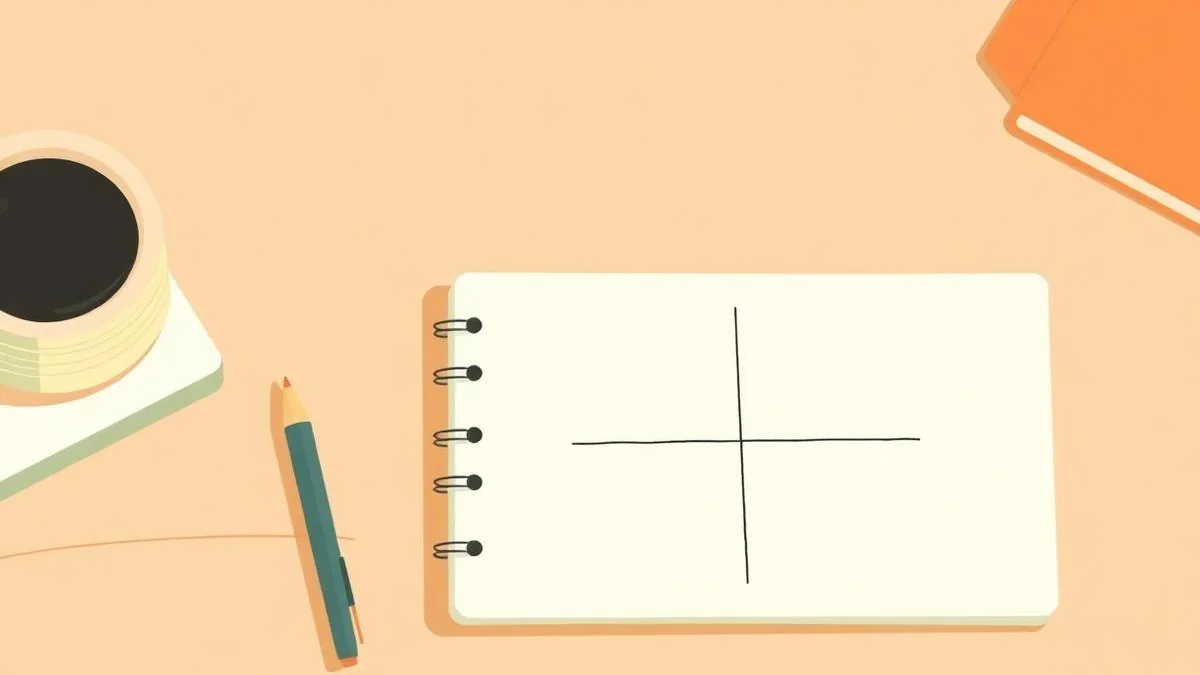
TaskDumpr is not trying to be your thirteenth tool, and it is not a project manager, on purpose. It does one narrow job: it is the single capture point from the list above. You dump everything on your mind by voice or text, unfiltered, and it extracts the tasks so you can prioritize them with an Eisenhower Matrix, or save them as a to-do list or draft. You can use it on iPhone or in your browser. It is free to start with 3 brain dumps and 3 Let Go sessions a week. The Let Go feature exists because some of what you are carrying is not a task at all and no app should pretend otherwise.
If TaskDumpr replaces the four places you currently scatter half-thoughts, it earned its spot. If it becomes a thirteenth container next to the other twelve, delete it. We mean that. A capture tool that adds to your app fatigue has failed on its own terms, and we have said before that productivity software keeps failing people by ignoring how humans actually work. Holding ourselves to the same standard is the least we can do.
The reframe
The goal was never twelve empty inboxes. The goal was one quiet mind.
Your productivity system should be the thing you think with, not the thing you think about.
Keep reading
Best Brain Dump Apps: What to Look For
Try TaskDumpr free
Empty your head in one go and let TaskDumpr split it into sorted, prioritized tasks. No card needed.
Start a free brain dump