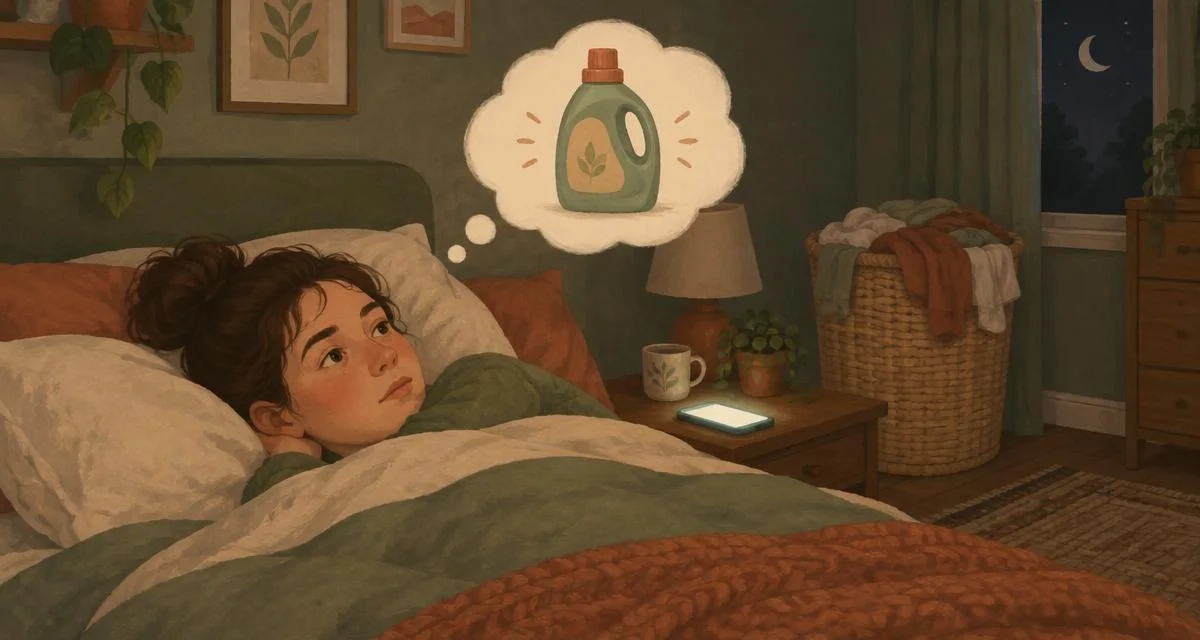

It's Sunday night. You've just downloaded a new to-do app, and honestly? You feel great. You're importing tasks, color-coding projects, and setting up recurring reminders for things you've meant to do since March. Somewhere around the third custom label, a quiet voice says this time will be different. You go to bed feeling like a person who has their life together.
Six weeks later the app is gone, deleted in a small moment of shame between two meetings, and you're telling yourself the same story you told after the last one: I just can't stick with anything.
Here's what nobody says out loud: if you've abandoned five to-do apps, you haven't failed five times. You've run five experiments, and they all produced the same result. At some point, that stops being evidence about you and starts being evidence about the apps.
The cycle you already know by heart
If you've searched "why todo apps don't work for me" at 11pm, you already know this loop. It goes like this:
- The Sunday-night setup high. New app, fresh start, elaborate configuration.
- The honeymoon week. You check things off. It works. You tell a friend about it.
- The first missed day. Life happens. A sick kid, a deadline, a Tuesday that eats you alive.
- The overdue guilt wall. Yesterday's tasks roll over, turn red, and stack on top of today's.
- Avoidance. Opening the app now feels bad, so you don't.
- Deletion. Quietly, weeks later, when the badge count gets unbearable.
- Self-blame. "I quit my todo app again. What's wrong with me?"
- Repeat. With a new app and slightly less hope.
Every stage of this cycle feels personal. None of it is. Each step is a predictable response to how these tools are designed, and it's worth walking through why.
Why the setup high feels so real
You're not being naive on Sunday night. Behavioral scientists Hengchen Dai, Katherine Milkman, and Jason Riis documented what they call the fresh start effect: temporal landmarks like new weeks, new months, and new tools genuinely boost motivation. The energy you feel while configuring a new app is real psychology, not gullibility.
The problem is that it's borrowed energy. A fresh start gives you a burst; it doesn't give you a system that survives contact with an ordinary bad week. And the app's onboarding is engineered to spend that burst on setup, so by the time real life shows up, the honeymoon budget is already gone.
The first missed day is a design event
Here's the moment that decides everything, and it's not the day you're at your best. It's the day you're at your worst.
A widely cited analysis of Quettra retention data found that the average app lost roughly three-quarters of its daily users within three days of installation. To-do apps fight this with streaks, badges, and rollover logic, and that's exactly where they break. When you miss a day, the app doesn't shrug. It keeps score.
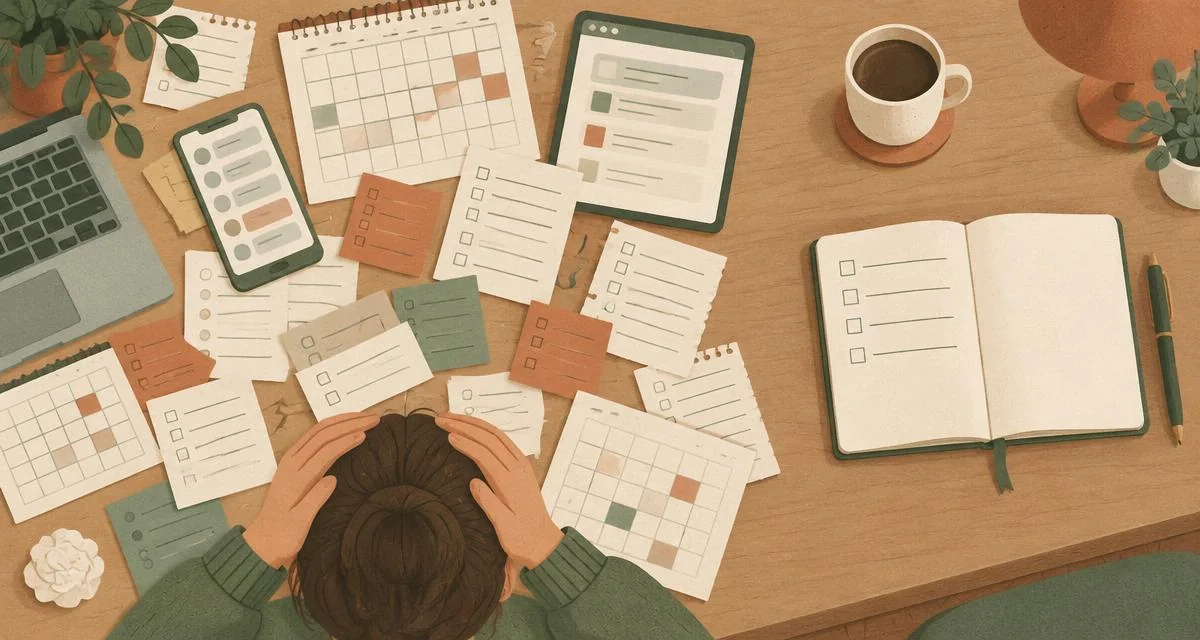
Tasks turn red. Counts climb. The overdue section grows like interest on a debt. The app treats your absence as a default on a loan you don't remember signing. And your brain, which keeps nagging about open loops, now has a scoreboard confirming its worst suspicions about you.
Research by E.J. Masicampo and Roy Baumeister found that unfinished goals stop intruding on your attention once you've made a concrete plan for them. But a wall of 40 overdue tasks is not a plan. It's an accusation. So you do the sane thing: you stop looking. That avoidance isn't laziness. It's self-protection, and we've written more about that spiral in why your to-do list gives you anxiety.
The root cause: the maintenance is the product failing you
Strip away the features and every mainstream to-do app makes the same silent assumption: you will maintain the system. You'll do the weekly review. You'll reschedule what slipped. You'll groom the backlog, prune the tags, and archive the projects. The app organizes nothing on its own. It's a beautiful filing cabinet that expects you to do the filing.
Think about what that means. You came to the app because you were overwhelmed. The app's answer was to hand you a part-time job as its administrator. The mental load you wanted to put down got a management layer added on top of it.
This is why the cycle repeats no matter which app you choose. Todoist, Things, TickTick, Notion: different interfaces, same assumption. When the maintenance stops, the system rots, and the rot is designed to look like your fault. If your list has already rotted past the point of repair, there's a kinder way through than deleting everything. We've mapped it in how to declare to-do list bankruptcy.
What an app that expects nothing looks like
Flip the assumption. What would a tool look like if it assumed you won't maintain it, because you're a tired human with a full life, and designed for that person instead of the imaginary one who does weekly reviews forever?
It would need three properties:
- Capture-only commitment. The only thing you ever have to do is get the thoughts out, by voice or text, in whatever messy order they arrive. No projects to file into, no due dates to negotiate, no upkeep.
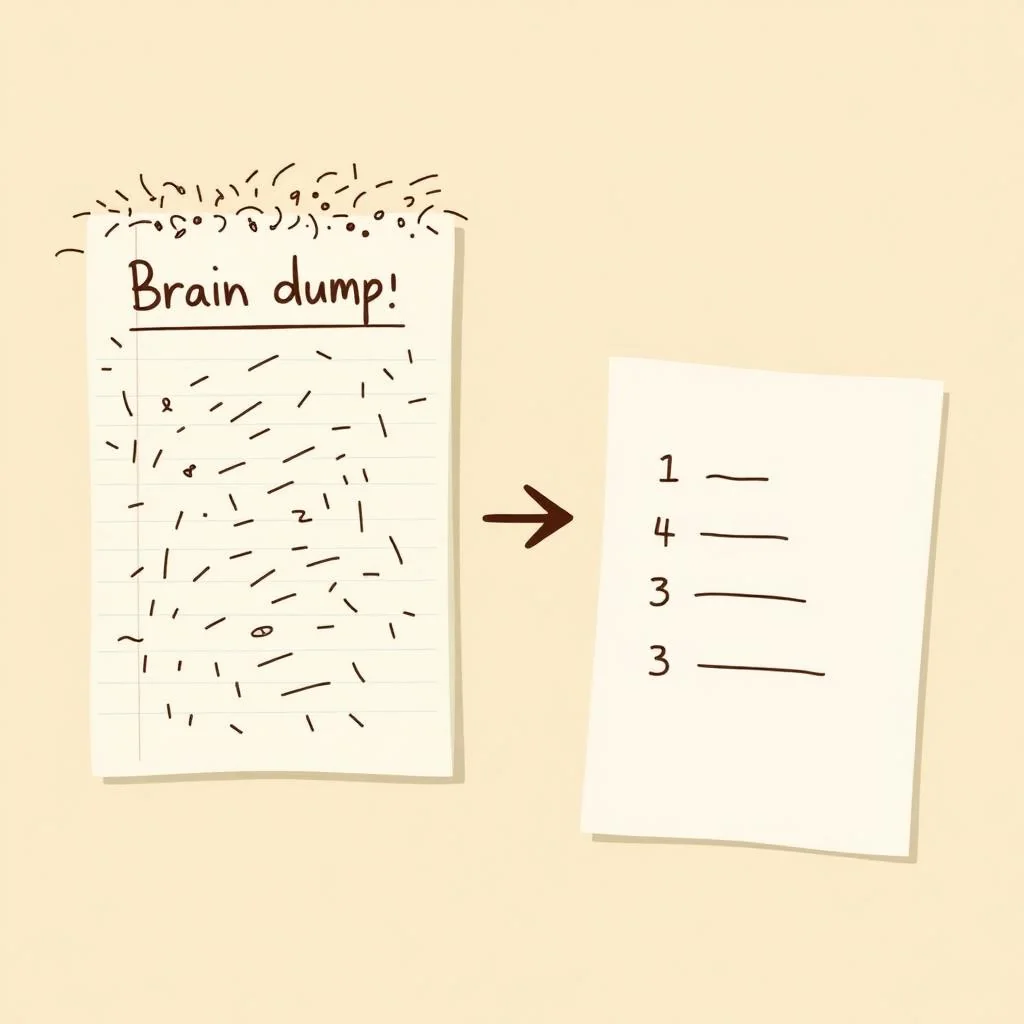
- Automatic organizing. Sorting should not be homework. The tool should take your unfiltered dump and do the triage itself, separating what's urgent from what's important from what's neither.
- Guilt-free release. Some of what's in your head was never a task. Worries, regrets, things you can't control. A humane tool gives those a door marked exit, not a due date.
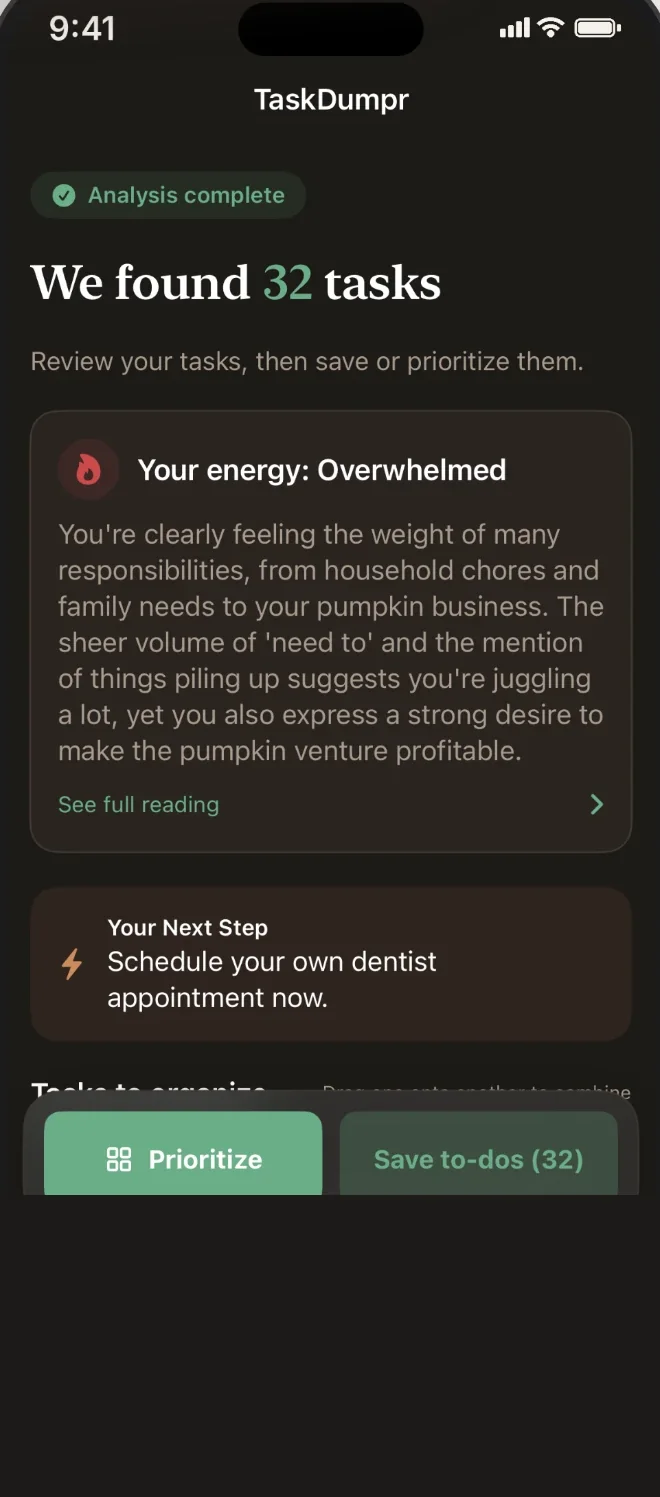
This is the shape TaskDumpr was built around. You dump everything on your mind, spoken or typed, and it automatically sorts the actionable stuff into an Eisenhower Matrix while giving the rest a dedicated Let Go space to formally release. It's on iPhone and the web, free to start, and deliberately not a project manager. TaskDumpr doesn't expect you to come back on a schedule. It expects you to come back when your head is full. That's the whole contract.
Is one tool the answer to everything? No, and anyone who says otherwise is selling you the next app in your graveyard. But the difference between a tool that demands maintenance and one that demands nothing is the difference between a gym membership and a park. You don't "fall off" a park.
The graveyard is evidence, so read it that way
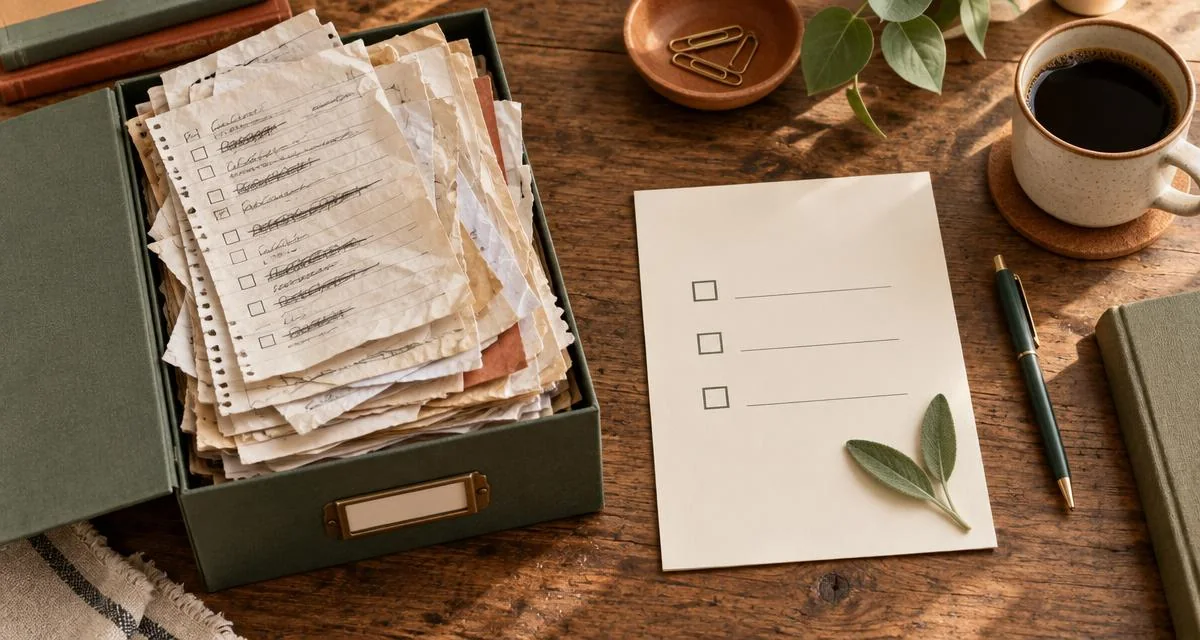
Here's your permission slip, in case you need one: the folder of abandoned productivity apps on your phone is not a character flaw. It's a dataset.
If one student fails a class, maybe it's the student. If the entire class fails, semester after semester, you look at the teacher. Millions of smart, motivated people abandon these apps in the same pattern, at the same stages, for the same reasons, and the industry's answer has been to add more features to maintain. You are allowed to conclude that the apps are wrong about how humans work. There's a whole essay on that argument in why productivity apps are broken.
So the next time the Sunday-night urge hits, try something smaller than a new system. Dump everything in your head somewhere that will sort it for you, let go of what was never yours to do, and see how it feels to use a tool that keeps no score. TaskDumpr will be there whether you show up weekly or twice a year, and it will greet you exactly the same way both times.
You never failed those apps. They asked you for maintenance when what you needed was relief.
Keep reading
Try TaskDumpr free
Empty your head in one go and let TaskDumpr split it into sorted, prioritized tasks. No card needed.
Start a free brain dump