Productivity apps were supposed to make life easier. Instead, many of us feel busier, more anxious, and perpetually behind. The problem is not you. The problem is that most productivity tools treat humans like machines.
They optimize for output, not wellbeing. They help you track more tasks without asking whether those tasks should exist. They measure what you accomplish while ignoring how you feel.
It is time for productivity software to catch up with what psychology has known for decades: sustainable productivity requires emotional regulation, not just task management.
The machine problem with productivity apps
Open any popular task manager. You will find features for scheduling, prioritizing, tagging, and tracking. These tools assume a simple model: input tasks, complete tasks, repeat. The human using the app is treated as a processor.
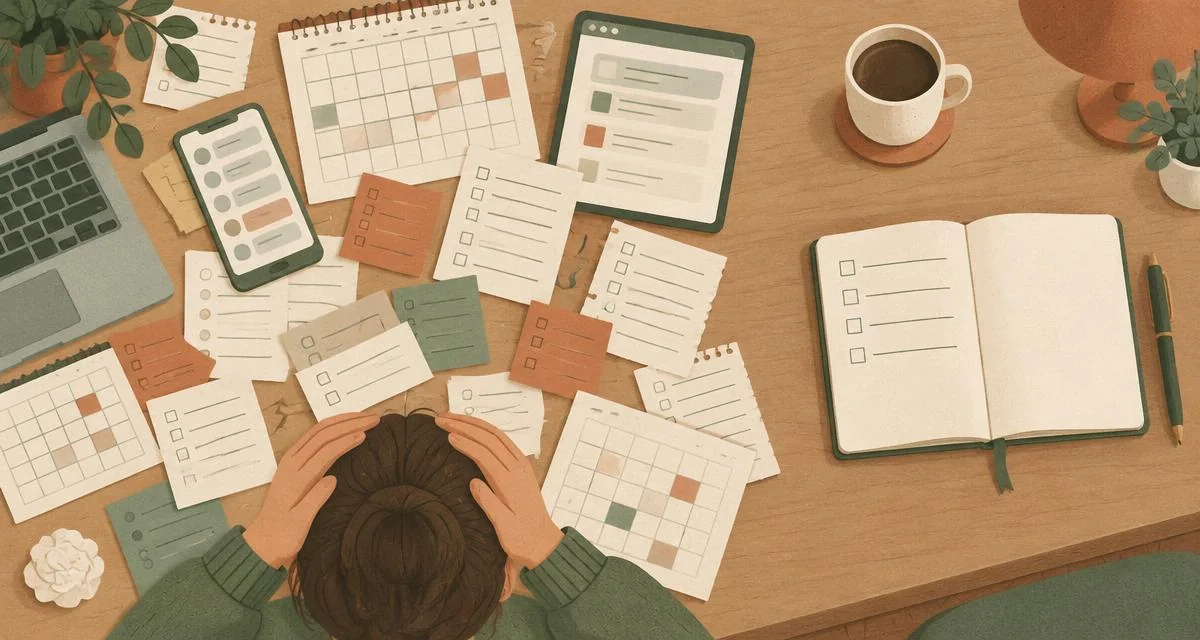
But humans are not processors. We have emotions that affect our capacity. We carry mental weight that does not fit in checkboxes. We need rest, not just optimization.
Research from the American Psychological Association consistently shows that chronic stress impairs cognitive function, reduces decision-making quality, and leads to burnout. Yet most productivity apps ignore stress entirely. They just keep adding to your list.
Cal Newport, author of Deep Work, has written extensively about how modern productivity culture creates "pseudo-productivity," where visible busyness replaces meaningful accomplishment. The tools we use reinforce this pattern by rewarding task completion over task elimination.
Ready for a more human approach?
TaskDumpr helps you release mental clutter before organizing what remains. Start with clarity, not chaos.
Try TaskDumpr freeThe missing piece: emotional regulation
Psychologist Dr. Marc Brackett, director of the Yale Center for Emotional Intelligence, argues that emotional skills are prerequisites for effective work. You cannot prioritize well when you are overwhelmed. You cannot focus when you are anxious. You cannot be creative when you are exhausted.
Yet emotional regulation remains almost entirely absent from productivity software. The industry treats feelings as personal problems to solve before opening the app, not as legitimate factors the app should address.
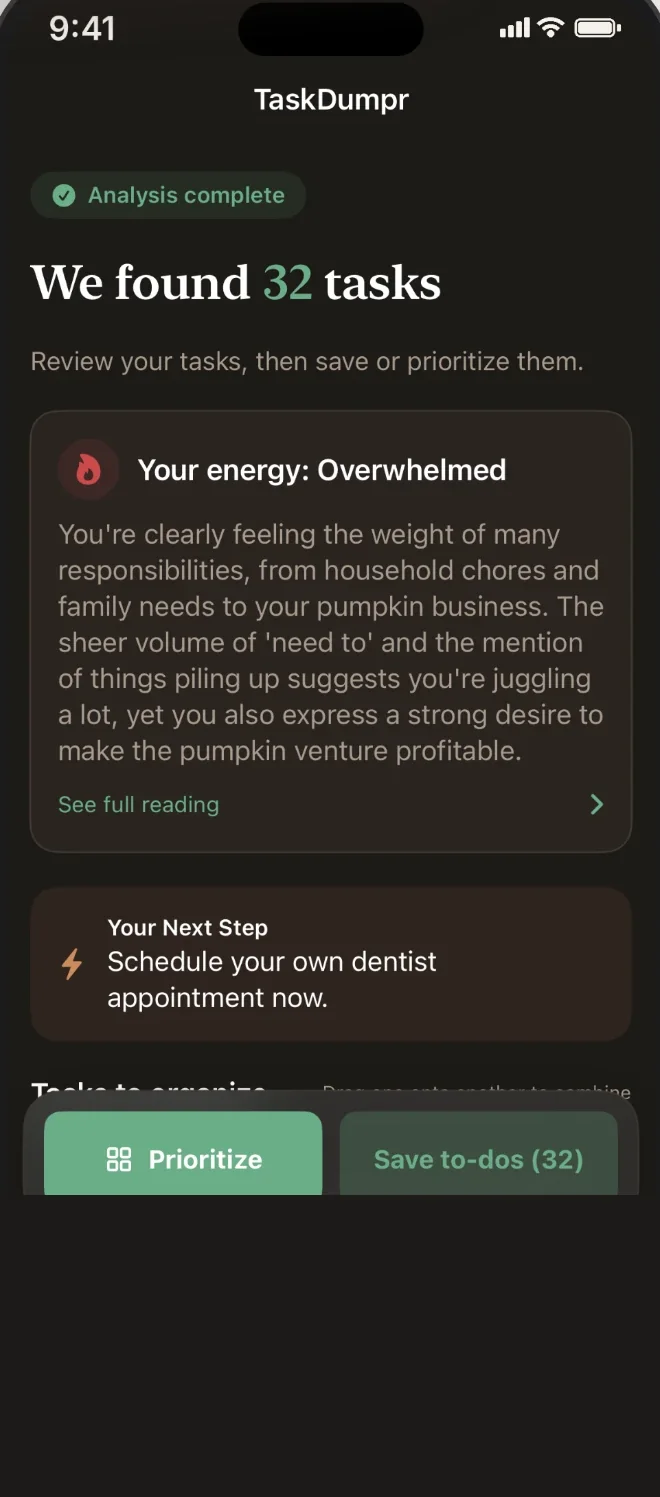
This disconnect explains a common experience: you open your task manager feeling stressed, see a long list, and feel more stressed. The tool amplifies the problem it was supposed to solve.
Addressing feelings is not a distraction from work. It is a foundation for it.
Productivity through subtraction
Most productivity advice focuses on doing more efficiently. But research increasingly supports the opposite approach: doing less, more deliberately.
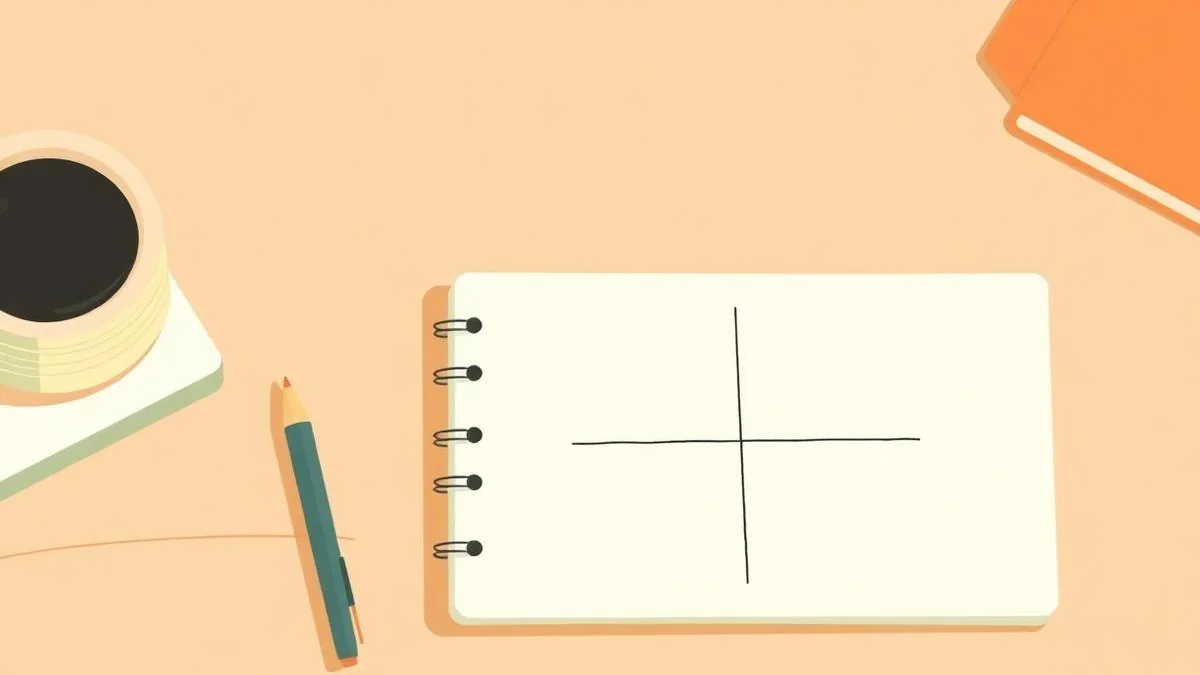
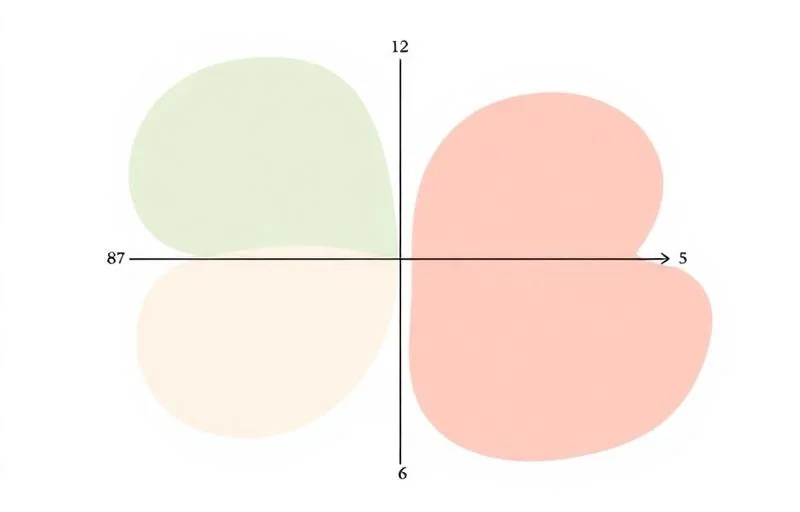
Greg McKeown's Essentialism makes the case that success comes from eliminating the non-essential, not from squeezing more into each day. The Eisenhower Matrix, used by presidents and executives for decades, explicitly includes an "Eliminate" quadrant for tasks that should not be done at all.
Yet most apps make elimination an afterthought. They are designed to hold tasks, not release them. Deleting something from a to-do list feels like failure, not strategy.
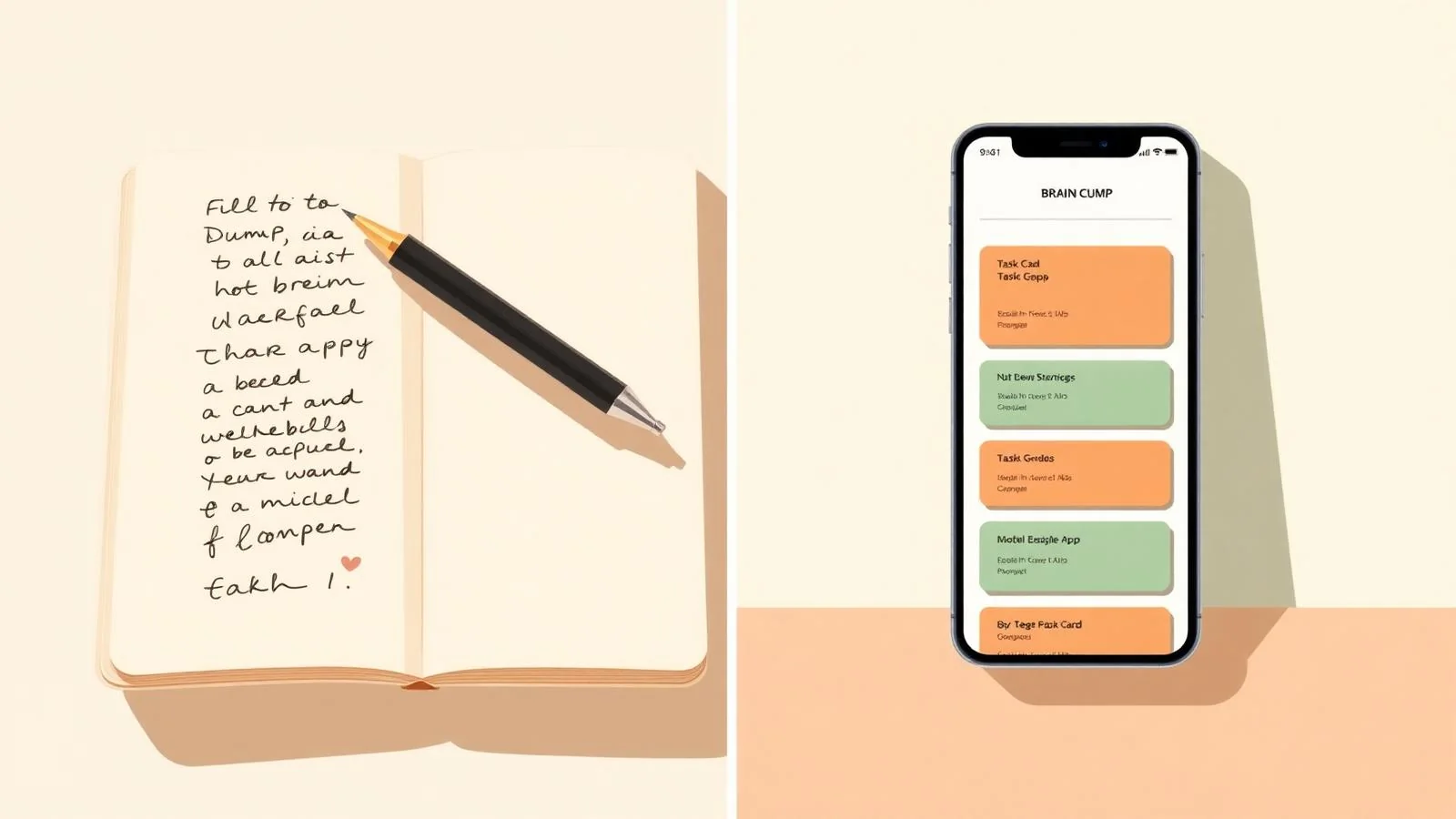
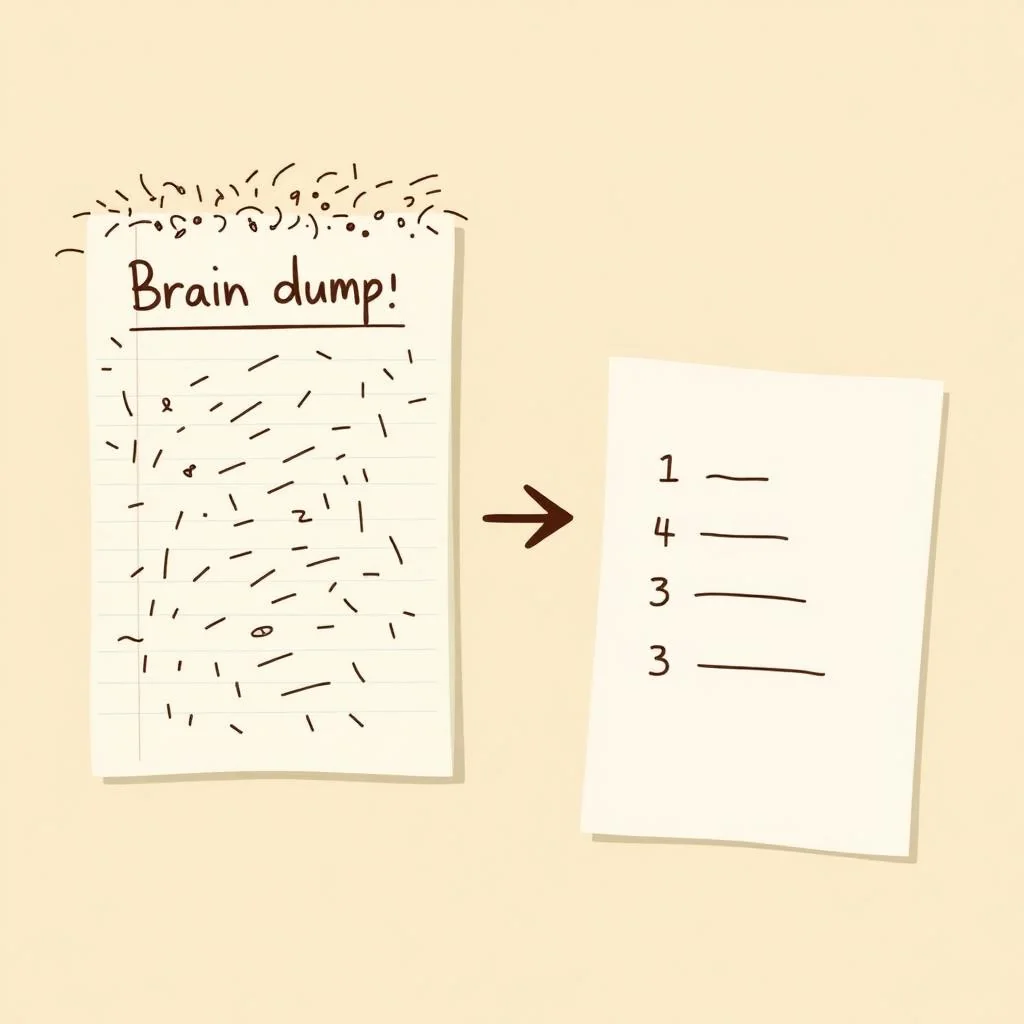
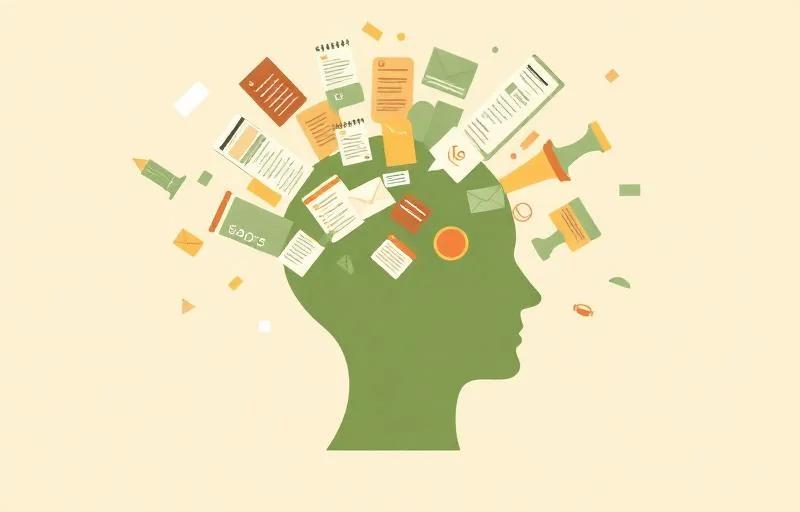
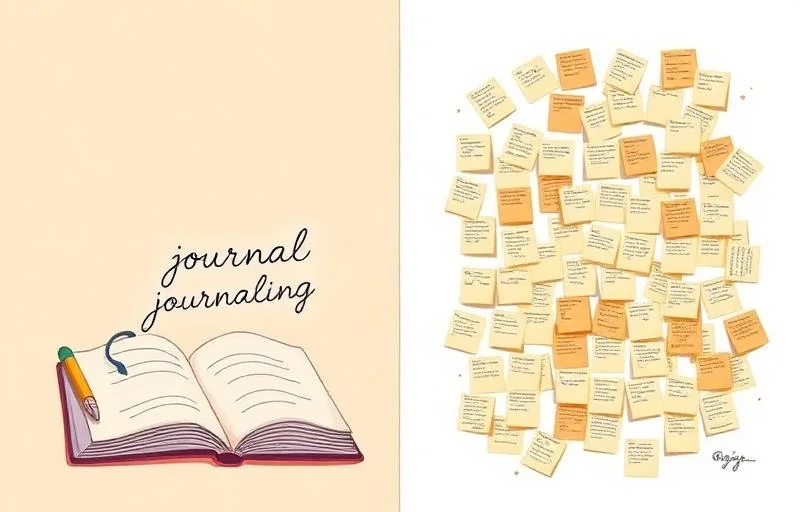
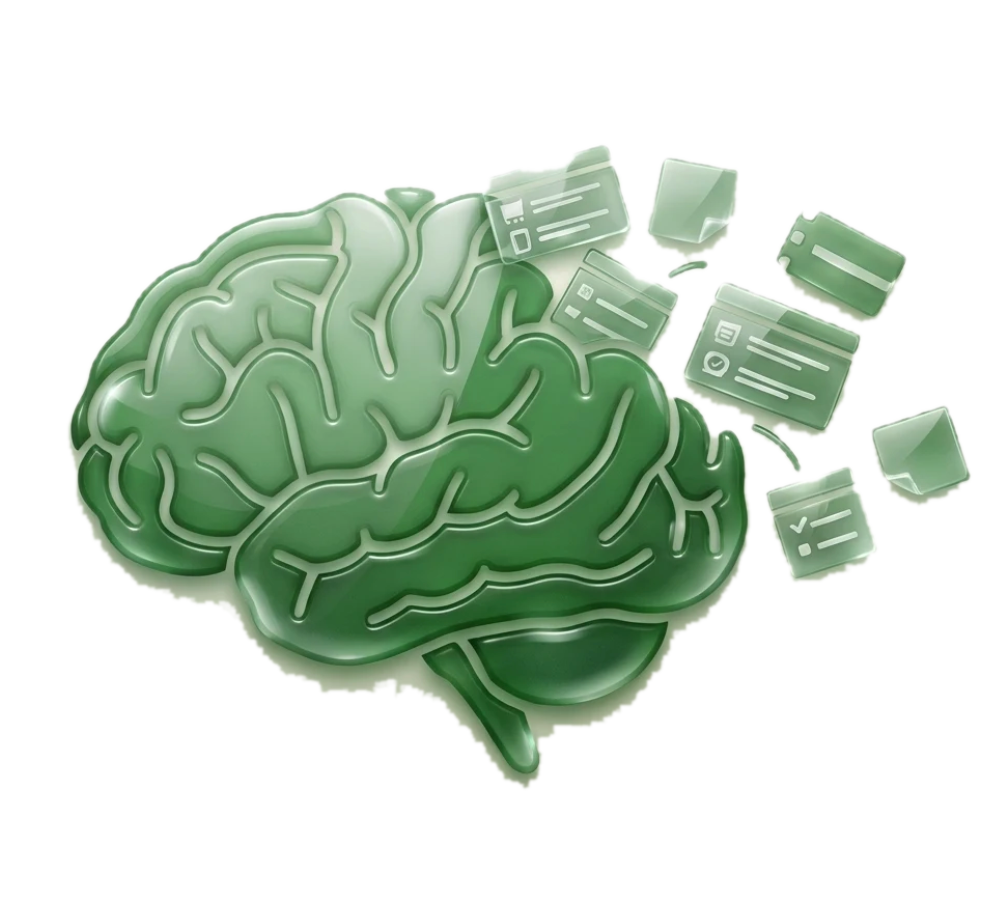
This is where brain dumping offers a fundamentally different starting point. Instead of building a list from scratch, you empty everything first. The act of dumping creates distance. You can see what you are carrying without immediately committing to carry it further.
Why brain dumping works differently
Brain dumping is therapeutic before it is productive. The primary benefit is not task capture. It is cognitive relief.
When you write down everything in your head without filtering, you externalize mental weight. A 2011 study in Science found that writing about worries before a high-pressure test improved performance. Your brain stops looping on things once they exist somewhere external.
This is why brain dumping should happen before prioritization, not after. Traditional task management asks you to decide importance while still carrying the full mental load. Brain dumping separates extraction from evaluation.
The result is clearer thinking. Once everything is visible, you can make decisions from a calmer state. You are not managing tasks while also remembering them.
The case for letting go
Not everything on your mind is actionable. Worries, regrets, what-ifs, resentments. These thoughts consume mental energy but do not belong on a to-do list. Traditional productivity apps have no place for them.
Cognitive behavioral therapy research shows that acknowledging and releasing unhelpful thoughts reduces their power. The simple act of writing down a worry and consciously deciding to let it go can break the rumination cycle.
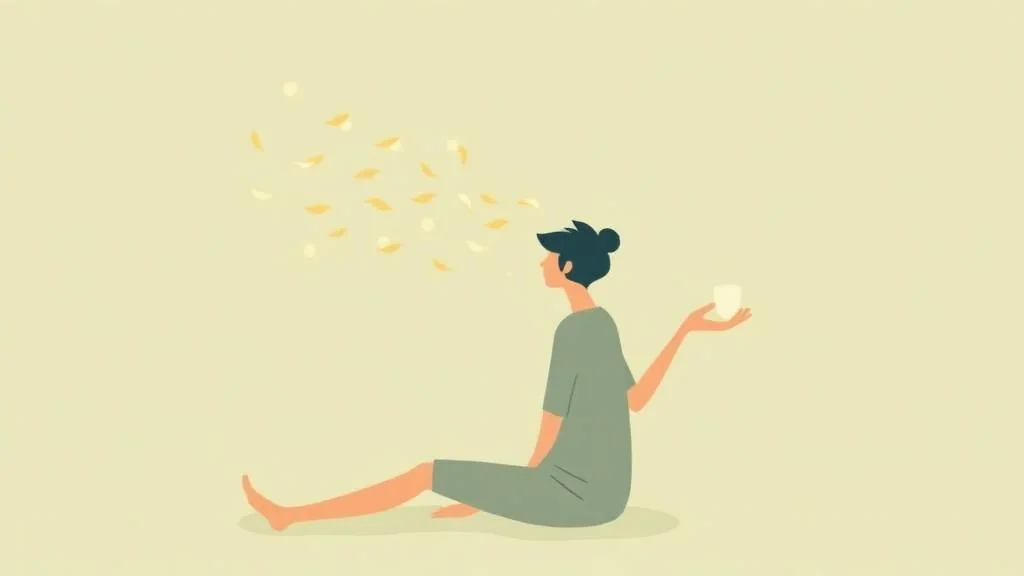
This is why TaskDumpr includes a dedicated "Let Go" feature. It is a separate space for things you need to release, not complete. You type what you are holding onto, and the app helps you symbolically let it float away. The animation is not decorative. It is functional: a visual representation of putting something down.
For some users, the Let Go feature provides more relief than the task prioritization. It validates that not everything needs action. Sometimes the most productive move is permission to stop carrying something.
How TaskDumpr addresses the human factor
TaskDumpr was built with emotional wellbeing as a core design principle, not an afterthought. The workflow reflects how humans actually think and feel:
- Dump first:You start by getting everything out, via text or voice. No organizing, no judging. Just extraction. This provides immediate cognitive relief.
- Automatic sorting:The app uses the Eisenhower Matrix to categorize your dump into four quadrants. Critically, this includes the "Eliminate" quadrant, making removal a first-class outcome.
- Sentiment awareness:TaskDumpr analyzes the emotional tone of your dump and reflects it back. This acknowledgment is subtle but meaningful. The app sees that you are stressed, not just busy.
- Let Go space:A dedicated feature for releasing what does not serve you. Worries, regrets, and mental weight have a place to go that is not your task list.
- Voice input:When you are overwhelmed, typing can feel like too much. Speaking is easier. The app meets you where you are.
What sustainable productivity looks like
True productivity is not about maximizing output. It is about aligning your actions with your energy, values, and capacity. This requires tools that acknowledge you are human.
The future of productivity software will integrate emotional intelligence. It will help you regulate before you organize. It will make elimination as easy as addition. It will treat rest as strategic, not lazy.
Until the rest of the industry catches up, TaskDumpr offers an alternative. Not another app to pile on pressure, but a tool that starts by helping you feel lighter.
Your mind is not a machine. Your productivity tools should know that.
Try TaskDumpr free
Empty your head in one go and let TaskDumpr split it into sorted, prioritized tasks. No card needed.
Start a free brain dump