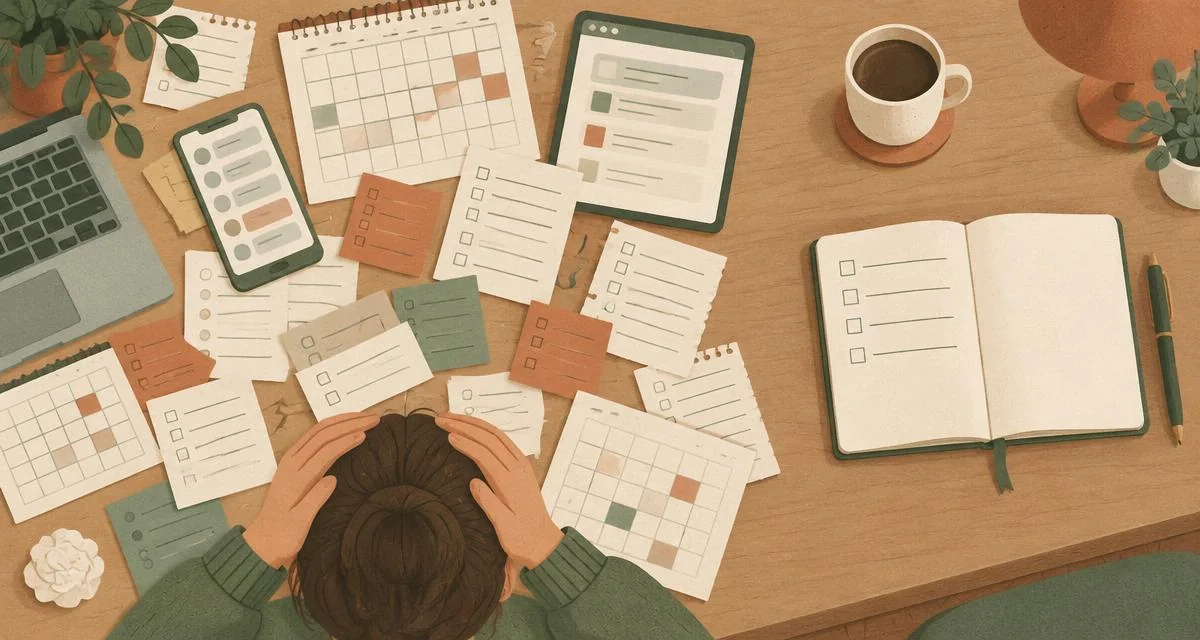

You can be capable, thoughtful, and working incredibly hard while still feeling as though ordinary life requires an unreasonable amount of coordination. The work deadline is only one tab. There is also the appointment to reschedule, the birthday you cannot forget, the laundry in the machine, and the message you have mentally answered three times but never actually sent.
For many women with ADHD, the hardest part is not a lack of ambition. It is holding the visible work and the invisible remembering at the same time. The right app cannot remove every demand, and it cannot treat ADHD. It can reduce one specific point of friction: getting thoughts out, seeing time, starting a task, or having another person nearby while you begin.
This guide picks eight apps by the problem they solve, with honest limitations and current pricing checked on November 20, 2026. Start with the problem that costs you the most energy, not the app with the longest feature list.
Why ADHD in women gets missed
ADHD in women has often been overlooked because the familiar stereotype centers external hyperactivity and disruption. Many women instead experience internal restlessness, disorganization, time blindness, emotional exhaustion, or years of compensating for difficulties that other people never see. A review of ADHD in adult women describes how masking and different presentations can complicate recognition.
Research also points to meaningful differences in diagnosis and lived experience. See this review of ADHD in women and girls, a PubMed-indexed study of adult women's experiences, and the CADDRA guide to ADHD in girls and women. These sources support better recognition, not a universal template for what every woman experiences.
Productivity advice often adds another layer of pressure: be more consistent, maintain a better routine, wake up earlier, and try harder. A useful tool should not require you to become a different person before it helps.
Why the mental load hits differently
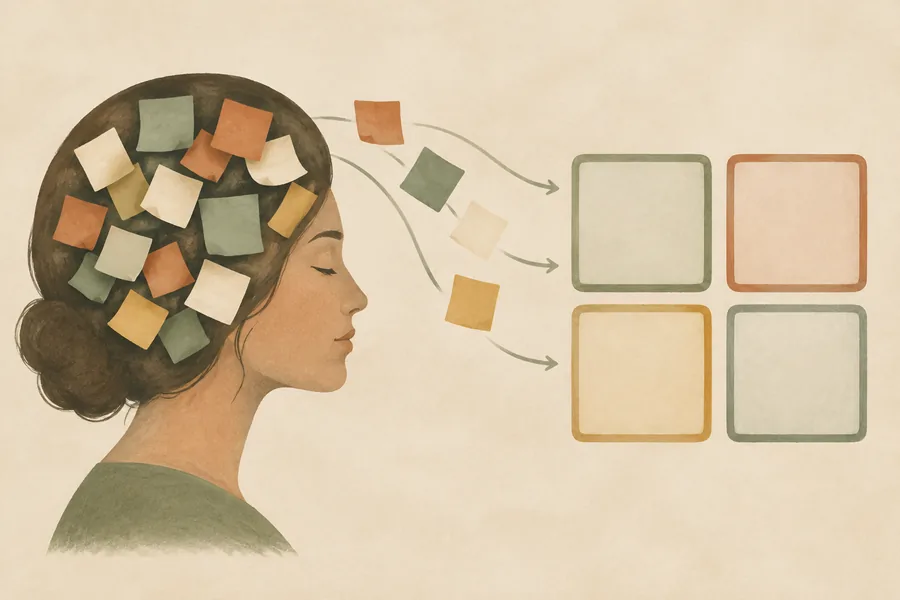
The mental load is the remembering, anticipating, monitoring, and coordinating that happens before a task becomes visible. It is noticing that toothpaste is running low, remembering which form school needs, tracking whether a friend felt okay after yesterday's conversation, and keeping the appointment in your head until it is written somewhere safe.
ADHD can make prospective memory, working memory, and task initiation less reliable. Add caregiving, household coordination, work, and social expectations, and the invisible list can become constant background noise. Our guide to why the mental load feels so heavy explores that distinction in more detail.
What women with ADHD say they need
There is no single female ADHD experience, and an app roundup should not pretend there is. Community conversations are useful because they show the variety: some people want fewer decisions, some want stronger reminders, and others want motivation without gamified pressure.
For lived experiences beyond this guide, read these public r/adhdwomen conversations: one community discussion, another perspective, and a third conversation. Treat them as individual experiences, not clinical evidence.
How we picked these apps
Each app earned its place by helping with a recognizable bottleneck. We prioritized:
- Fast capture when a thought appears at an inconvenient moment.
- Less manual sorting and fewer systems to maintain.
- Support for starting, not just storing, tasks.
- A return experience that does not turn missed days into a wall of guilt.
- Clear limitations, including price, platform restrictions, and setup demands.
If your head feels full right now, you do not need to finish this comparison before getting relief. Try a free brain dump, then come back when you know which kind of support you want.
1. TaskDumpr
Best for: mental load, rambling thoughts, and turning everything into a short plan
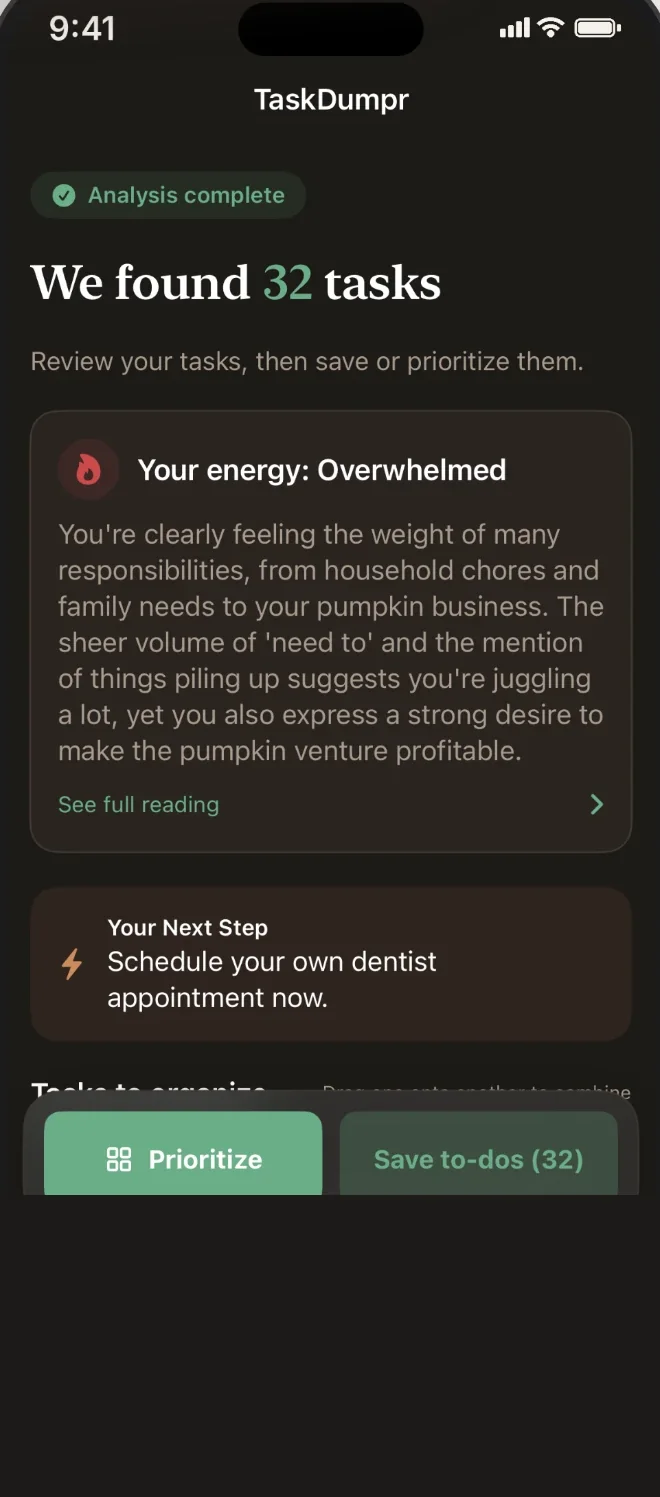
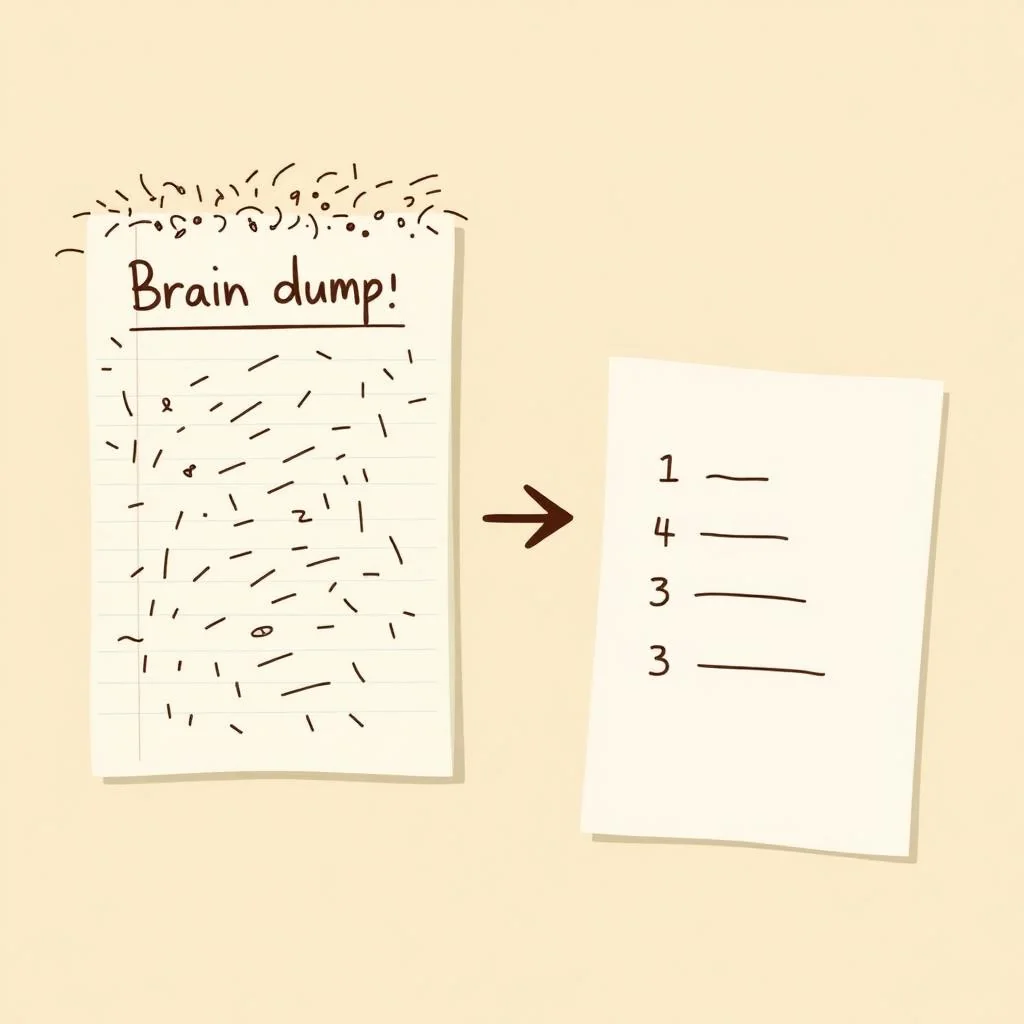
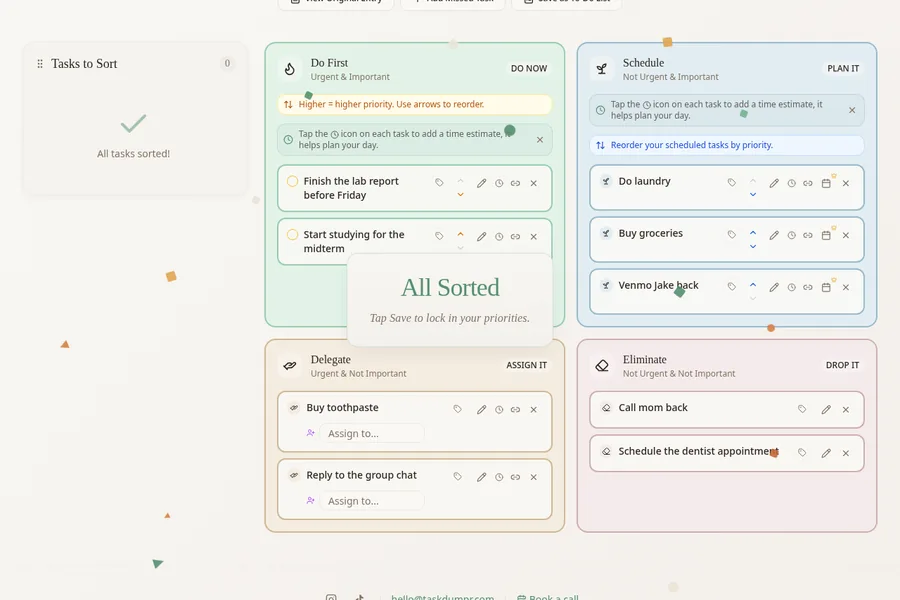
TaskDumpr for ADHD starts before organization. You speak or type everything on your mind without choosing categories, dates, or projects. The app finds the individual tasks, then helps you sort them into Do First, Schedule, Delegate, and Eliminate.
That sequence is useful when your brain is holding a mixture of errands, deadlines, worries, and half-formed reminders. You do not have to make the list tidy before the app can help. The Let Go feature also gives non-actionable worries somewhere to go, instead of forcing every concern into a to-do.
Your next step does not need to be perfect.
Download TaskDumpr free, speak or type everything on your mind, and let the app turn it into a plan you can start.
Read more about how TaskDumpr works for ADHD brains.
- Price:
- Free: 3 brain dumps and 3 Let Go sessions per week. Premium: $5.99/month, $47/year, or $199 lifetime, with a 7-day money-back guarantee.
- Platforms:
- iPhone and web
- Honest limitation:
- No visual timeline or cycle tracking. It is a personal task-clearing tool, not a team project manager.
2. Structured
Best for: seeing the day as a visual timeline
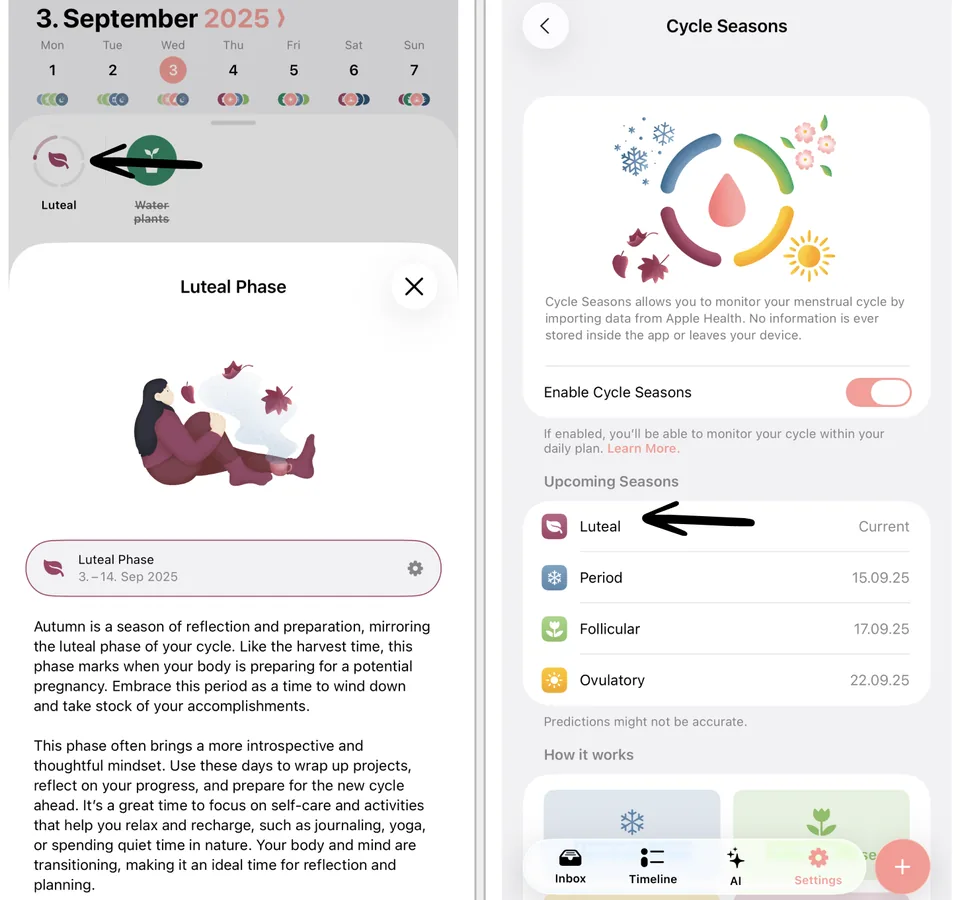
Structured turns tasks and events into a visual day timeline. If a plain list makes time feel abstract, seeing tasks placed between appointments can make the shape of the day easier to understand.
Its Cycle Seasons feature can add cycle context to planning after at least three cycles are recorded in Apple Health. The official setup guide explains the requirement, and the free versus Pro comparison separates paid features. Keep the limits clear: it is iOS-only, needs existing Apple Health data, and should not be treated as medical or fertility prediction.
- Price:
- Cycle Seasons is free. Structured also offers free and Pro features; see its official comparison for current plan pricing.
- Platforms:
- Cycle Seasons requires iOS. Structured's other apps vary by platform.
- Honest limitation:
- Cycle Seasons is not available on Android or the web, needs three recorded Apple Health cycles, and is not a medical predictor.
3. Tiimo
Best for: a visual planner designed around neurodivergent routines
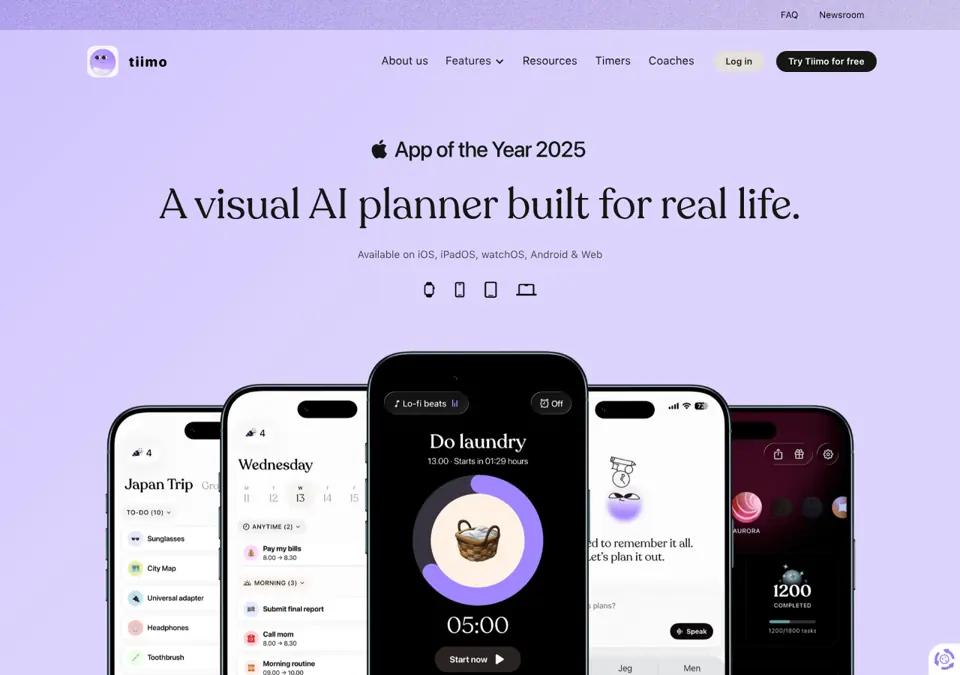
Tiimo combines a visual schedule, task support, and routine planning in a format designed with neurodivergent users in mind. Color and structure can make a day feel more concrete than a long text list.
It is a better fit if you want to build a repeatable routine than if you need to unload a chaotic mixture of thoughts immediately. Start with only the anchors of your day. Adding every possible routine at once can turn a supportive planner into another maintenance project.
- Price:
- Pricing varies by plan and region. Check Tiimo's official site for current subscription options.
- Platforms:
- iOS, Android, Apple Watch, iPad, Mac, and web
- Honest limitation:
- A scheduled day still requires setup and adjustment. People who dislike planning rituals may prefer automatic sorting or live accountability.
4. Goblin Tools
Best for: breaking one intimidating task into smaller steps
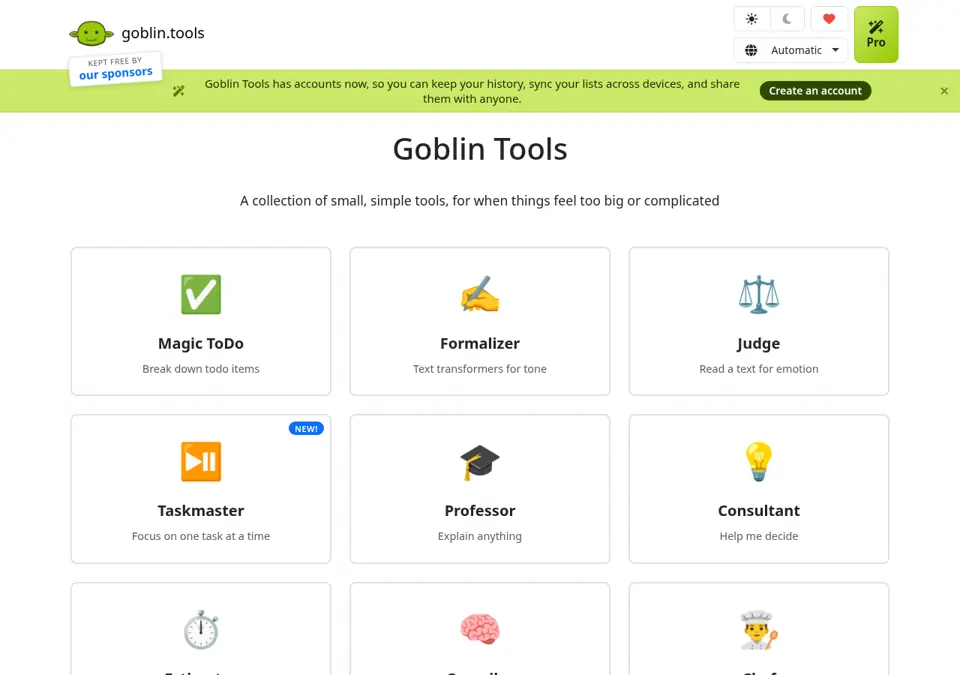
Goblin Tools is refreshingly small in scope. Magic ToDo breaks a task into steps, while other tools help with formal wording, estimating tone, or turning a brainwave into something more concrete.
It is especially useful when the problem is not remembering the task but not knowing how to begin. “Clean the kitchen” can become a sequence that starts with clearing one counter. If you need a broader capture and prioritization system, compare these Goblin Tools alternatives rather than forcing one small tool to do everything.
- Price:
- Goblin Tools Pro is $3/month after a one-week trial. The US iPhone app is $0.99 one-time.
- Platforms:
- Web, iOS, and Android
- Honest limitation:
- It helps with individual task steps, but it is not a complete home for mental load, priorities, and long-term history.
5. Llama Life
Best for: timeboxing one task at a time
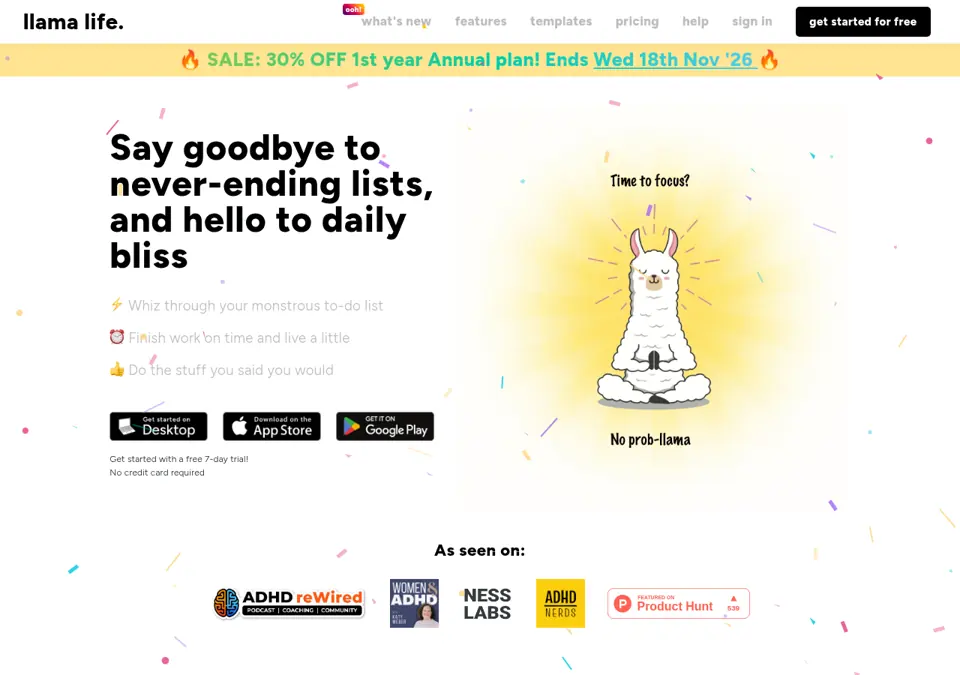
Llama Life narrows attention to the current task and a chosen amount of time. Instead of asking you to hold the whole day at once, it encourages a small work session with a defined end.
That can help with task initiation and time blindness. Try a deliberately short session for a task you have avoided. If the countdown adds pressure rather than clarity, a quieter checklist or body-doubling session may fit better.
- Price:
- Seven-day trial, then monthly or annual billing. Check the official site for current prices.
- Platforms:
- iOS and Android
- Honest limitation:
- Timers can create momentum, but they can also feel stressful if a visible countdown makes you more anxious.
6. Focusmate
Best for: live accountability and getting started with another person present
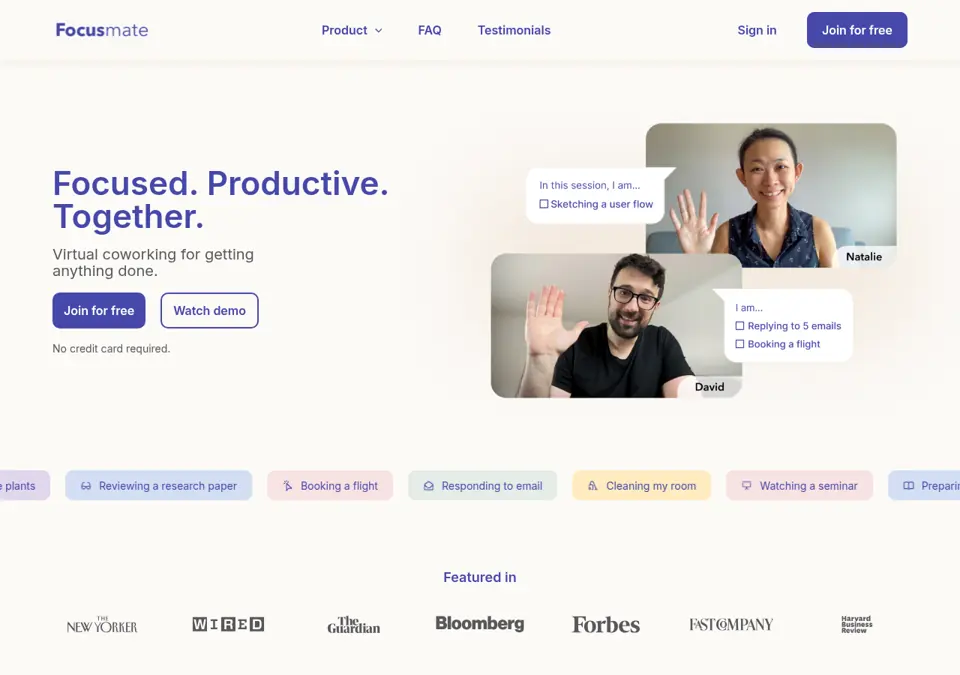
Focusmate pairs you with another person for a live virtual coworking session. You say what you intend to do, work quietly, and check in at the end. The commitment can make starting feel more concrete than promising yourself you will begin “in five minutes.”
It works well for a task you already understand but keep avoiding. It does not decide what belongs on your list, so pair it with a simple capture method rather than adding another complex planner.
- Price:
- Three free sessions per week. Plus costs $8/month billed yearly or $12 billed monthly.
- Platforms:
- Web, with mobile access depending on current app availability
- Honest limitation:
- You need to book and attend sessions. It provides accountability, not task organization.
7. Inflow
Best for: learning ADHD strategies through a structured program
Inflow focuses on learning. Its program covers ADHD-related patterns and practical strategies through short lessons and structured exercises. That can be useful when you want to understand why a pattern repeats, not simply where to store the next task.
The program requires time and attention, so it can become one more obligation during an already overloaded period. It also does not replace individualized diagnosis or treatment. Consider it when education is the missing piece, not when you urgently need a place to unload today's tasks.
- Price:
- Seven-day trial, then $199/year or $47.99/month.
- Platforms:
- iOS and Android
- Honest limitation:
- It is an educational program, not a full task manager, and the ongoing price is substantial.
8. Habitica
Best for: gamified habits and external rewards
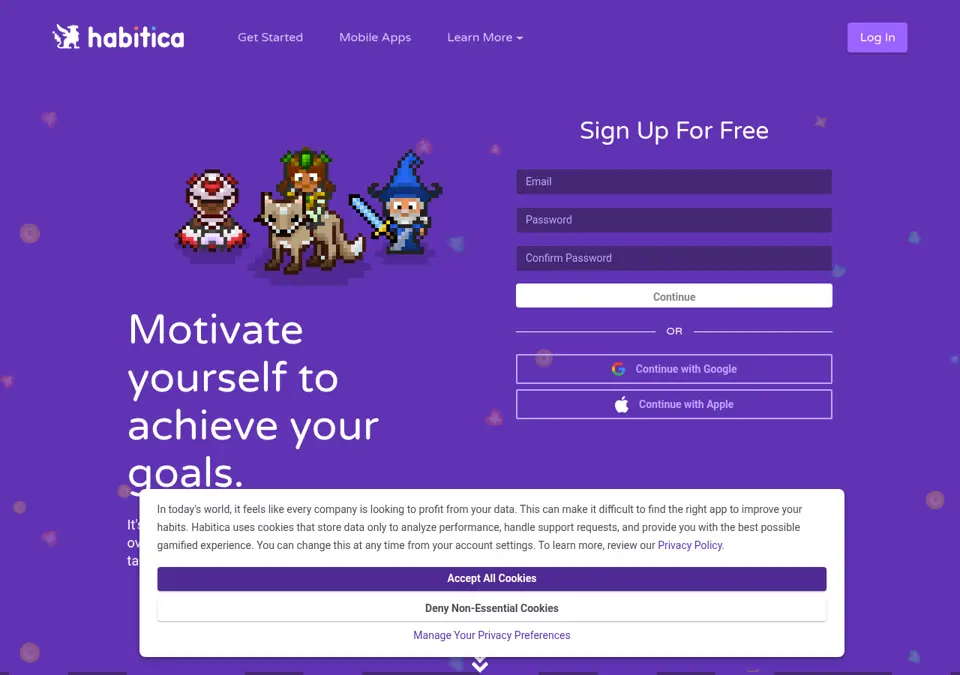
Habitica turns habits, daily tasks, and to-dos into a role-playing game. Completing real-life actions earns progress, which can provide the immediate reward that an ordinary checkbox lacks.
The same novelty can become the main attraction. Keep the setup small and notice whether the game helps you return to real tasks or gives you another system to optimize. If missed streaks trigger shame, choose a more forgiving tool.
- Price:
- Free core app, with an optional subscription.
- Platforms:
- iOS, Android, and web
- Honest limitation:
- Game mechanics can become distracting, and missed habits may feel discouraging rather than motivating for some people.
So which one should you start with?
- Everything is mixed together in your head: start with TaskDumpr.
- You cannot see how the day fits together: try Structured or Tiimo.
- One task feels too big to begin: use Goblin Tools.
- You keep avoiding a task you understand: book Focusmate or timebox with Llama Life.
- You want to understand your ADHD patterns: explore Inflow.
- Immediate rewards help you act: test Habitica with one habit.
Give one app a small, honest trial. Do not download all eight tonight. If your phone already feels like a second job, our guide to productivity app fatigue can help you subtract tools before adding another.
Frequently asked questions
What is the best ADHD app for adult women?
The best app depends on the problem you need help with. TaskDumpr is designed for mental load and task overwhelm, Structured and Tiimo for visual planning, Focusmate for accountability, and Inflow for ADHD education. Start with one tool that matches your main friction point.
Why do traditional planners often fail women with ADHD?
Many planners assume consistent motivation, reliable time estimation, and regular maintenance. ADHD can make those assumptions harder to meet. A planner that requires extensive setup or punishes missed days can add shame instead of support.
Are ADHD apps a replacement for diagnosis or treatment?
No. Apps can support routines, capture tasks, and reduce everyday friction, but they do not diagnose or treat ADHD. A qualified clinician can help with assessment and treatment options.
Is TaskDumpr free for women with ADHD?
Yes. TaskDumpr is free to start on iPhone and the web, with 3 brain dumps and 3 Let Go sessions per week. Premium offers unlimited use and full history. The app is designed for anyone carrying too much mental load, including women with ADHD.
Start with what is taking up the most space
You do not need a flawless routine to deserve support. Pick the single thought, task, or worry that keeps interrupting everything else. Put it somewhere outside your head, then choose the smallest next action.
Try your first brain dump freeTry TaskDumpr free
Empty your head in one go and let TaskDumpr split it into sorted, prioritized tasks. No card needed.
Start a free brain dump